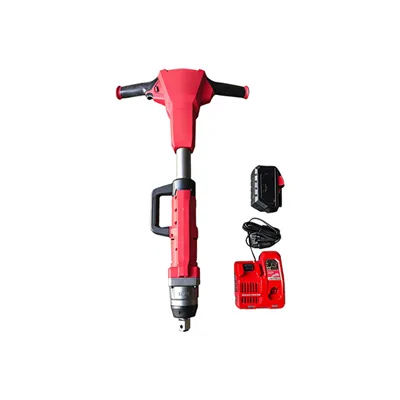
When it comes to railway maintenance, one of the most crucial tasks is tamping the tracks. Tamping ensures that the tracks are properly aligned and the ballast is compacted, which in turn extends the lifespan of the tracks and enhances safety. There are two main ways to get this job done: using a track tamper machine or relying on manual labor. As a track tamper machine supplier, I've seen firsthand how these two methods stack up against each other in terms of cost - effectiveness over time.
Let's start by looking at the upfront costs. Manual labor seems like a budget - friendly option at first glance. All you need are some workers and basic Tamping Tools Railway. The cost of hiring laborers is relatively low, especially in regions where labor is abundant. You don't have to shell out a large sum of money to purchase expensive machinery.
However, a track tamper machine is a significant investment. These machines can cost anywhere from tens of thousands to hundreds of thousands of dollars, depending on their size, features, and capabilities. But this is just the initial cost. You also have to consider the cost of transportation, installation, and training for the operators.
But here's the thing: when you look at the long - term picture, the cost - effectiveness starts to tilt in favor of the track tamper machine.
First off, let's talk about productivity. Manual labor is slow. Workers can only tamp a limited section of the track in a day. They get tired, and they need breaks. There are also limitations to how much force they can apply to compact the ballast. On the other hand, a track tamper machine can work continuously for long hours. It can cover large distances of track in a short period. For example, a medium - sized track tamper machine can tamp several kilometers of track in a single day, which would take a large team of manual laborers days or even weeks to complete.
The increased productivity of a track tamper machine means that railway maintenance projects can be completed much faster. This is crucial because railway lines often need to be shut down during maintenance. The shorter the downtime, the less disruption there is to train schedules, which translates into less lost revenue for the railway companies.
Another aspect to consider is the quality of work. A track tamper machine is designed to apply a consistent and precise amount of force to the ballast. This ensures that the tracks are evenly tamped and properly aligned. The machine can also reach areas that are difficult for manual laborers to access, such as under the sleepers. With manual labor, the quality of work can vary from worker to worker. Some may not tamp the ballast firmly enough, while others may over - compact it. Inconsistent tamping can lead to track irregularities, which can cause issues like excessive wear and tear on trains, increased fuel consumption, and even safety hazards.
Properly tamped tracks last longer. This means fewer repairs and replacements in the future. A track tamper machine helps to maintain the integrity of the tracks, reducing the long - term maintenance costs. In contrast, tracks tamped by manual labor may require more frequent maintenance due to the inconsistent quality of work.
Let's also think about labor costs over time. The cost of labor is not static. It tends to increase as the economy grows and the demand for skilled workers rises. You also have to factor in things like employee benefits, insurance, and sick leave. With a track tamper machine, once you've made the initial investment, the ongoing costs are mainly related to fuel, maintenance, and operator salaries. And the number of operators required is much smaller compared to the number of manual laborers needed for the same job.
Moreover, using a track tamper machine reduces the risk of workplace injuries. Railway maintenance is a physically demanding job, and manual laborers are at risk of back injuries, strains, and other occupational hazards. This can lead to costly workers' compensation claims and lost productivity due to employee absences. A track tamper machine automates a lot of the physically strenuous tasks, making the work environment safer.
Now, let's touch on the technological advancements in track tamper machines. Modern track tamper machines are equipped with advanced sensors and control systems. These features allow for more precise tamping and real - time monitoring of the track conditions. For example, some machines can adjust the tamping force based on the type of ballast and the condition of the tracks. This not only improves the quality of work but also helps to optimize the use of resources.
In the context of Tamping in Railway, the use of a track tamper machine also offers better data collection and analysis. The machine can record information about the tamping process, such as the force applied, the depth of tamping, and the location. This data can be used to plan future maintenance activities more effectively and to identify potential problems before they become major issues.
When it comes to the environmental impact, a track tamper machine can be more efficient. It uses fuel more efficiently than the energy consumed by a large number of manual laborers. Also, the faster completion of maintenance projects means less disruption to the surrounding environment.
In conclusion, while the upfront cost of a track tamper machine is high, its long - term cost - effectiveness is undeniable. The increased productivity, better quality of work, reduced labor costs, and lower risk of injuries make it a smart investment for railway companies. If you're in the railway maintenance business and are still relying on manual labor, it might be time to consider upgrading to a Ballast Tamper Machine.
If you're interested in learning more about our track tamper machines or want to discuss how they can fit into your railway maintenance plans, don't hesitate to reach out. We're here to help you make the most cost - effective decision for your business.
References


- Industry reports on railway maintenance cost - effectiveness
- Case studies on the use of track tamper machines in large - scale railway projects
- Interviews with railway maintenance managers and experts