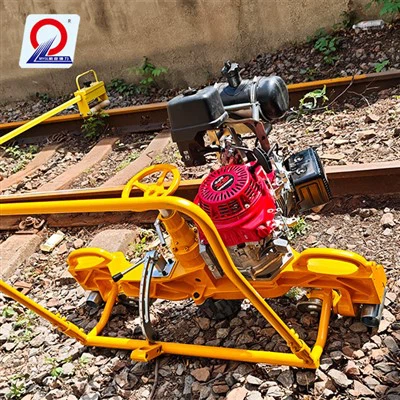
As a supplier of Railway Impact Wrenches, I've witnessed firsthand the pivotal role these tools play in railway maintenance. These robust devices are designed to tighten and loosen bolts with high torque, ensuring the safety and stability of railway tracks. However, improper use can lead to significant issues, from damaged equipment to safety hazards. In this blog, I'll share some common mistakes users make when using a Railway Impact Wrench.
1. Ignoring the Manufacturer's Manual
One of the most prevalent mistakes is neglecting to read the manufacturer's manual carefully. Each Railway Impact Wrench has specific operating requirements, including recommended torque settings, compatible sockets, and maintenance schedules. For instance, using an incorrect socket size can cause slippage, which not only damages the bolt and the socket but also poses a safety risk. By referring to the manual, users can ensure they are using the tool correctly from the start.
When you purchase a Petrol Engine Rail Bolt Wrench, it comes with detailed instructions on starting the engine, adjusting the torque, and performing routine maintenance. Ignoring these instructions can lead to premature wear and tear, reducing the lifespan of the wrench.
2. Over - Torquing or Under - Torquing Bolts
Achieving the correct torque is crucial for the proper functioning of railway tracks. Over - torquing can cause bolts to stretch or break, weakening the track's structure. On the other hand, under - torquing can result in loose bolts, which can lead to track misalignment and potential derailments.
Many users rely on guesswork when setting the torque, rather than using a torque - measuring device. This is a significant oversight, as different railway applications require specific torque values. For example, a Railroad Wrench used for mainline tracks may need a different torque setting compared to one used for a siding.
3. Improper Tool Maintenance
Regular maintenance is essential to keep a Railway Impact Wrench in optimal condition. Failing to clean the tool after use can lead to the accumulation of dirt, debris, and rust, which can affect its performance. Additionally, not lubricating moving parts can cause excessive friction, leading to overheating and premature failure.


For hydraulic impact wrenches like the Hydraulic Impact Wrench Railroad, proper fluid levels and quality are critical. Contaminated hydraulic fluid can damage the internal components of the wrench, resulting in costly repairs. It's important to follow a maintenance schedule and use the recommended lubricants and fluids.
4. Using the Wrong Type of Wrench for the Job
There are different types of Railway Impact Wrenches available, each designed for specific applications. Using the wrong type of wrench can lead to inefficiency and potential damage. For example, a petrol - powered wrench may be more suitable for outdoor, remote locations, while an electric wrench may be better for indoor or confined spaces.
Some users may choose a wrench based on its price or availability, rather than its suitability for the task. This can result in a tool that struggles to perform the required job or causes unnecessary wear and tear. It's important to assess the specific requirements of the railway maintenance project and select the appropriate wrench accordingly.
5. Neglecting Personal Safety
Safety should always be a top priority when using a Railway Impact Wrench. Many users fail to wear the appropriate personal protective equipment (PPE), such as safety glasses, ear protection, and gloves. The high - torque impact of the wrench can cause debris to fly, and the loud noise can damage hearing.
In addition, not following proper safety procedures, such as securing the workpiece and using a stable surface, can lead to accidents. For example, if the wrench is not properly secured, it can slip out of the user's hands, causing injury.
6. Not Testing the Wrench Before Use
Before using a Railway Impact Wrench on a critical railway project, it's important to test it to ensure it is functioning correctly. Some users assume that the wrench is in good working condition without performing a pre - use check. This can lead to unexpected malfunctions during operation, delaying the project and potentially compromising safety.
Testing the wrench may involve checking the torque output, the integrity of the power source (whether it's petrol, electric, or hydraulic), and the condition of the sockets. It's also a good idea to perform a trial run on a non - critical bolt to ensure everything is working as expected.
7. Rushing the Job
In the fast - paced world of railway maintenance, there can be pressure to complete jobs quickly. However, rushing when using a Railway Impact Wrench can lead to mistakes. For example, not taking the time to properly align the socket with the bolt can cause damage to both the socket and the bolt.
Rushing can also lead to overlooking important details, such as proper torque settings or signs of wear and tear on the tool. It's important to take the time to do the job right, even if it means sacrificing a little time in the short term.
Conclusion
Using a Railway Impact Wrench correctly is essential for ensuring the safety and efficiency of railway maintenance. By avoiding these common mistakes, users can extend the lifespan of their tools, improve the quality of their work, and reduce the risk of accidents. As a supplier, we are committed to providing high - quality Railway Impact Wrenches, but it's up to the users to use them properly.
If you're in the market for a reliable Railway Impact Wrench or have any questions about our products, we encourage you to contact us for a detailed discussion. Our team of experts is ready to assist you in finding the right tool for your specific needs.
References
- Industry standards for railway maintenance equipment
- Manufacturer's manuals for Railway Impact Wrenches