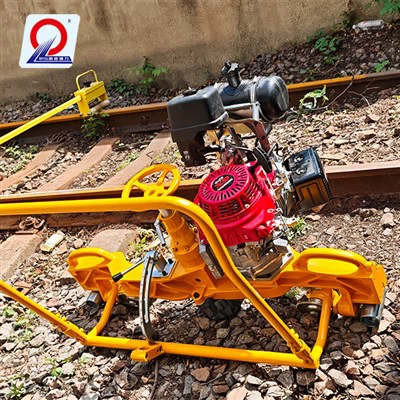
Hey there! As a supplier of rail tamping machines, I often get asked about the noise level of these machines during operation. It's a crucial question, especially for those working in areas where noise pollution is a concern, like near residential zones or in environmentally sensitive areas. So, let's dive right into it and explore what the noise level of a rail tamping machine is all about.
First off, what exactly is a rail tamping machine? Well, it's a piece of equipment used in railway maintenance to pack the ballast (the stones under the railway tracks) around the sleepers. This helps to keep the tracks in place, ensuring a smooth and safe ride for trains. There are different types of rail tamping machines, such as the Portable Tamping Machine, Ballast Tamper Machine, and Rail Tamper Machine. Each type has its own unique features and functions, but they all have one thing in common: they make noise when they're working.
The noise level of a rail tamping machine can vary depending on several factors. One of the main factors is the type of machine. Portable tamping machines, for example, are usually smaller and less powerful than ballast tamper machines. As a result, they tend to produce less noise. A portable tamping machine might have a noise level in the range of 80 - 90 decibels (dB). To put that into perspective, normal conversation is around 60 dB, and a lawnmower is about 90 dB. So, a portable tamping machine is about as loud as a lawnmower.
On the other hand, ballast tamper machines are larger and more powerful. They're designed to work on a larger scale, tamping a longer section of track at once. These machines can produce noise levels in the range of 90 - 100 dB or even higher. That's louder than a motorcycle, which typically produces around 95 dB. The high noise level is due to the heavy-duty nature of the machine, with its large motors and hydraulic systems working hard to pack the ballast.
Another factor that affects the noise level is the age and condition of the machine. Older machines that haven't been well-maintained may produce more noise than newer, well-kept ones. Worn-out parts, loose connections, or lack of proper lubrication can all contribute to increased noise. For instance, if the tamping tools are worn down, they may not operate as smoothly, causing more vibration and noise. Regular maintenance, including checking and replacing parts, lubricating moving components, and tightening loose connections, can help keep the noise level in check.
The operating environment also plays a role in how the noise is perceived. If the machine is operating in an open, rural area, the noise may disperse more easily and not seem as loud. However, if it's working in a confined space, like a tunnel or a railway yard surrounded by buildings, the noise can bounce off the walls and create a louder, more intense sound. In addition, the presence of other machinery and equipment in the area can add to the overall noise level.


Now, you might be wondering why the noise level of a rail tamping machine matters. Well, there are several reasons. From a safety perspective, high noise levels can be a hazard to the operators. Prolonged exposure to noise above 85 dB can cause hearing damage, including hearing loss and tinnitus (ringing in the ears). That's why it's essential for operators to wear proper hearing protection, such as earplugs or earmuffs.
Noise pollution is also a concern for the surrounding community. Excessive noise can disrupt the peace and quiet of residential areas, affecting people's quality of life. It can cause stress, sleep disturbances, and even have a negative impact on wildlife. In many areas, there are regulations in place to limit the noise level of industrial equipment, including rail tamping machines. As a supplier, we're aware of these regulations and strive to provide machines that meet or exceed the required noise standards.
So, what can be done to reduce the noise level of a rail tamping machine? There are a few solutions. One option is to use noise-reducing technology. Some modern rail tamping machines are equipped with features like sound insulation and vibration dampening. These features help to absorb and reduce the noise and vibration produced by the machine. For example, the tamping tools can be designed with special materials that minimize the impact noise when they hit the ballast.
Another approach is to schedule maintenance work at times when the noise will have the least impact on the community. For example, avoiding working during early morning or late evening hours when people are more likely to be sleeping. Additionally, using barriers or enclosures around the machine can help to block and absorb the noise. These barriers can be made of materials like soundproofing foam or heavy-duty curtains.
As a supplier, we're committed to providing high-quality rail tamping machines that not only perform well but also minimize noise pollution. We work closely with our customers to understand their specific needs and provide solutions that meet their requirements. Whether you're looking for a portable tamping machine for a small-scale project or a ballast tamper machine for a large railway maintenance job, we've got you covered.
If you're in the market for a rail tamping machine and have questions about the noise level or any other aspect of our products, don't hesitate to reach out. We're here to help you make an informed decision and find the right machine for your needs. Contact us to start the conversation and explore how our rail tamping machines can benefit your railway maintenance operations.
References
- Railway Maintenance Handbook: A comprehensive guide to railway maintenance equipment and operations.
- Noise Pollution and Control Regulations: Local and national regulations regarding noise levels of industrial equipment.
- Manufacturer's specifications for rail tamping machines.