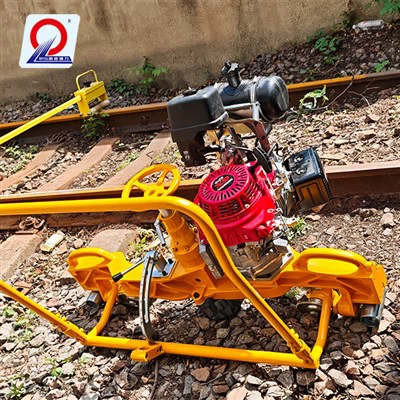
As a supplier of Railway Grinders, I am well - versed in the ins and outs of these machines. While railway grinders, such as the Track Grinding Machine, Rail Grinder, and Railroad Grinder, offer numerous benefits for railway maintenance, it's essential to also understand their disadvantages. This knowledge can help railway operators make more informed decisions when it comes to their maintenance strategies.
High Initial Investment
One of the most significant drawbacks of railway grinders is the high initial investment required. These machines are complex pieces of equipment that incorporate advanced technology and precision engineering. The cost of purchasing a railway grinder can be substantial, especially for smaller railway operators or those with limited budgets. The price tag includes not only the base cost of the machine but also additional expenses such as shipping, installation, and training for the operators.
For example, a state - of - the - art large - scale railway grinder can cost hundreds of thousands or even millions of dollars. This large upfront cost can be a major barrier for many organizations, forcing them to either delay the purchase or look for alternative, less effective maintenance methods. Even for larger railway companies, the high investment may require careful financial planning and budget allocation, which can impact other areas of the business.
Maintenance and Operating Costs
Beyond the initial purchase price, railway grinders come with significant maintenance and operating costs. These machines have numerous moving parts, and regular maintenance is crucial to ensure their proper functioning and longevity. Maintenance tasks include checking and replacing grinding wheels, lubricating mechanical components, and calibrating the control systems.
The cost of replacement parts for railway grinders can be quite high, especially for specialized components. Additionally, the labor cost for skilled technicians to perform maintenance work adds to the overall expense. In terms of operating costs, railway grinders consume a large amount of energy, whether they are powered by diesel engines or electricity. The continuous operation of the grinding wheels and other mechanical systems requires a significant amount of fuel or electrical power, which can result in high utility bills over time.
Limited Mobility and Accessibility
Railway grinders are often large and heavy machines, which limits their mobility and accessibility. They are designed to operate on railway tracks, and moving them from one location to another can be a complex and time - consuming process. For example, if a grinder needs to be transported to a different section of the railway network, it may require special transportation arrangements, such as using flatbed trucks or rail - mounted transporters.
Moreover, in some cases, railway grinders may not be able to access certain areas of the tracks. Tracks in remote or difficult - to - reach locations, such as mountainous regions or areas with narrow clearances, may pose challenges for the operation of these machines. This limited accessibility can result in areas of the railway network being left unmaintained, which can lead to track deterioration over time.
Noise and Environmental Impact
The operation of railway grinders generates a significant amount of noise. The grinding process produces a loud, continuous noise that can be a nuisance to nearby residents, workers, and wildlife. In urban areas, the noise pollution from railway grinders can lead to complaints from the local community and may even result in legal issues or restrictions on the operating hours of the machines.
In addition to noise, railway grinders also have an environmental impact. The grinding process produces dust and debris, which can contain harmful substances such as metal particles and abrasives. If not properly managed, this dust can be released into the air, posing a health risk to workers and the surrounding environment. The disposal of the dust and debris also needs to be carefully considered to prevent environmental contamination.
Impact on Track Structure
Although railway grinders are designed to improve the condition of the tracks, there is a risk of causing damage to the track structure if not operated correctly. The grinding process involves applying pressure and friction to the rail surface, and if the parameters such as grinding depth, speed, and pressure are not properly adjusted, it can lead to over - grinding or uneven grinding.


Over - grinding can remove too much material from the rail, reducing its cross - sectional area and weakening the rail structure. This can increase the risk of rail fractures and other structural failures, which can be extremely dangerous for train operations. Uneven grinding can also create irregularities on the rail surface, which can cause excessive wear on train wheels and suspension systems, leading to increased maintenance requirements for the rolling stock.
Operator Skill Requirements
Operating a railway grinder requires a high level of skill and training. The operator needs to have a good understanding of the machine's controls, the grinding process, and the characteristics of the railway tracks. Incorrect operation can not only lead to poor grinding results but also pose a safety risk to the operator and the surrounding environment.
Training operators to use railway grinders effectively can be a time - consuming and expensive process. It involves both theoretical knowledge about the machine and practical hands - on experience. Moreover, as technology advances and new models of railway grinders are introduced, operators need to be continuously trained to keep up with the changes.
Disruption to Train Services
The use of railway grinders often requires the closure of the railway tracks during the grinding operation. This can cause significant disruption to train services, including passenger trains and freight trains. Train schedules may need to be adjusted, and passengers may experience delays or cancellations. For freight trains, the disruption can lead to delays in the delivery of goods, which can have a negative impact on the supply chain.
In addition to the direct impact on train services, the disruption can also have economic consequences. For example, businesses that rely on the timely delivery of goods by rail may face production delays or increased costs due to the need to find alternative transportation methods.
Dependence on Weather Conditions
Railway grinders are also affected by weather conditions. In wet or icy conditions, the grinding process may not be as effective, and the safety of the operation can be compromised. For example, wet tracks can cause the grinding wheels to slip, which can lead to uneven grinding and potential damage to the machine.
In extreme weather conditions such as heavy rain, snow, or high winds, the operation of railway grinders may need to be suspended altogether. This dependence on weather conditions can lead to delays in the track maintenance schedule, which can result in the tracks being in a sub - optimal condition for longer periods.
Despite these disadvantages, railway grinders remain an important tool for railway maintenance. They play a crucial role in improving the safety and performance of railway tracks. If you are considering purchasing a railway grinder for your railway maintenance needs, it is important to weigh these disadvantages against the benefits. Our company has a wide range of Track Grinding Machines, Rail Grinders, and Railroad Grinders that are designed to minimize these drawbacks. We are committed to providing high - quality products and excellent after - sales service. If you have any questions or would like to discuss your specific requirements, please feel free to contact us for a detailed consultation and purchase negotiation.
References
- "Railway Track Maintenance: Principles and Practices" by John H. Bickel
- "The Impact of Railway Maintenance Equipment on Track Quality" - Journal of Railway Engineering Research
- "Cost - Benefit Analysis of Railway Track Maintenance Methods" - Transportation Research Board