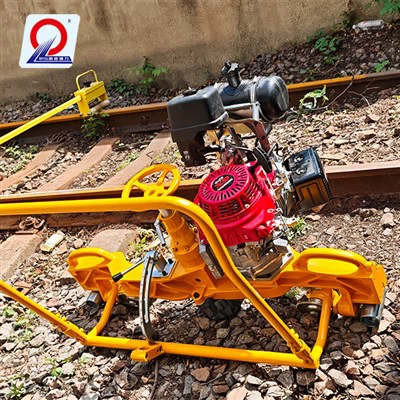
Safety is of paramount importance when it comes to the operation of tamping tools, especially in the vicinity of railway power lines. As a leading provider of high - quality tamping tools for railway maintenance, we at [Supplier identity] understand the critical nature of adhering to strict safety regulations. In this blog, we will delve into the safety regulations that must be followed when using tamping tools near railway power lines.


Understanding the Risks
Railway power lines carry high - voltage electricity, which poses a significant risk to anyone working in their vicinity. When using tamping tools, there is a potential for accidental contact with the power lines, which can lead to electrocution, serious injury, or even death. Additionally, the electromagnetic fields generated by the power lines can interfere with the operation of electronic components in tamping tools, causing malfunctions.
Pre - operation Safety Checks
Before using any tamping tool near railway power lines, a comprehensive pre - operation safety check is essential. First, inspect the tamping tool thoroughly for any signs of damage, such as frayed wires, loose connections, or cracked housings. Any damaged parts should be repaired or replaced immediately.
Check the insulation of the tamping tool. The insulation is crucial as it protects the operator from electrical shock. Use a megger to test the insulation resistance, and ensure that it meets the manufacturer's specifications.
Verify the grounding of the tamping tool. A proper ground connection helps to divert electrical current safely to the ground in case of a fault. Make sure that the grounding wire is intact and securely connected to the tool and a suitable grounding point.
Maintaining Safe Distances
One of the most important safety regulations is maintaining a safe distance from railway power lines. The specific safe distance can vary depending on the voltage of the power lines. In general, for low - voltage lines (less than 1 kV), a minimum distance of 1 meter should be maintained. For medium - voltage lines (1 - 33 kV), a distance of at least 3 meters is recommended, and for high - voltage lines (above 33 kV), a distance of 5 meters or more is required.
When operating tamping tools, ensure that the tool and any attached accessories, such as hoses or cables, do not come within the safe distance of the power lines. This may require careful positioning of the equipment and the use of appropriate barriers or markers to define the safe working area.
Personal Protective Equipment (PPE)
Operators using tamping tools near railway power lines must wear appropriate personal protective equipment. This includes insulated gloves, safety helmets, safety glasses, and insulated footwear. Insulated gloves should be rated for the voltage of the power lines in the area and should be inspected regularly for any signs of damage.
Safety helmets protect the operator's head from falling objects or accidental impacts. Safety glasses shield the eyes from dust, debris, and any potential electrical arcs. Insulated footwear provides an additional layer of protection against electrical shock.
Training and Certification
All operators using tamping tools near railway power lines should receive comprehensive training. The training should cover the operation of the tamping tool, the risks associated with working near power lines, and the safety regulations that must be followed.
Operators should also be certified to work in the vicinity of railway power lines. Certification programs typically include theoretical and practical assessments to ensure that operators have the necessary knowledge and skills to work safely.
Communication and Coordination
Effective communication and coordination are vital when working near railway power lines. Before starting any work, the operator should inform the railway authorities about the planned work. The railway authorities can provide information about the power line status, such as whether the power is switched off or if there are any planned maintenance activities on the power lines.
During the operation, maintain clear communication with other workers in the area. Use hand signals or two - way radios to ensure that everyone is aware of the tool's position and any potential hazards.
Emergency Procedures
In case of an emergency, such as accidental contact with a power line, operators should know the appropriate emergency procedures. The first step is to immediately switch off the power supply to the tamping tool if possible. If the operator is in contact with the power line, do not attempt to touch the person directly. Instead, use a non - conductive object, such as a wooden pole, to separate the person from the power source.
Call for emergency medical assistance immediately. Provide the medical team with as much information as possible about the incident, including the type of tamping tool used, the voltage of the power line, and any visible injuries.
Our Tamping Tools for Railway Maintenance
At [Supplier identity], we offer a wide range of high - quality tamping tools suitable for railway maintenance near power lines. Our Portable Tamping Machine is designed for easy maneuverability and can be used in tight spaces. It is equipped with advanced insulation technology to ensure operator safety.
Our Train Track Maintenance Vehicle is a powerful and efficient solution for large - scale railway maintenance. It is built with safety features to prevent electrical interference from power lines.
The Lightweight Railway Track Compactor is ideal for quick and precise tamping operations. Its lightweight design makes it easy to transport and operate, while still meeting the highest safety standards.
Contact Us for Procurement
If you are in the market for reliable tamping tools for railway maintenance, especially in areas near power lines, we invite you to contact us. Our team of experts can provide you with detailed information about our products, help you choose the right tool for your specific needs, and offer support throughout the procurement process. We are committed to providing you with the best - in - class tamping tools that prioritize safety and efficiency.
References
- Railway Safety Regulations Handbook, [Publisher name], [Year of publication]
- Electrical Safety Standards for Railway Maintenance, [Organization name], [Year of release]
- Manufacturer's Manuals for Tamping Tools, [Tool manufacturers], [Year of issue]