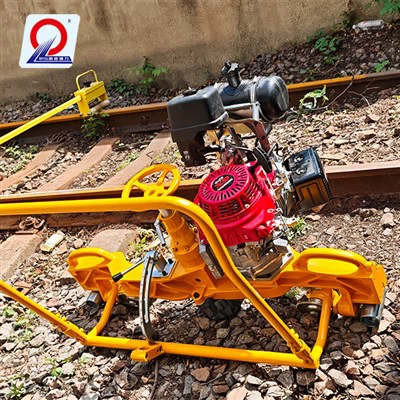
Hey there! As a supplier of Rail Tamper Machines, I've gotten a bunch of questions from customers about how to adjust the operating speed of these machines. It's a crucial aspect of using a Rail Tamper Machine effectively, so I thought I'd share some tips and insights with you all.
First off, let's talk about why adjusting the operating speed matters. The speed at which a Rail Tamper Machine Rail Tamper Machine operates can have a significant impact on the quality of the tamping work. If the speed is too fast, the machine might not be able to properly compact the ballast under the rails, leading to uneven track surfaces and potential safety hazards. On the other hand, if the speed is too slow, it can be a waste of time and resources, and the overall efficiency of the railway maintenance project will suffer.
Now, let's get into the nitty - gritty of how to adjust the operating speed.
Understanding the Machine's Controls
Most modern Rail Tamper Machines come with a control panel that allows operators to adjust various parameters, including the operating speed. Before you start making any adjustments, it's essential to familiarize yourself with the control panel. Read the user manual thoroughly to understand what each button, switch, and display means.
Typically, there will be a dedicated speed control section on the panel. This might be a dial, a digital input field, or a series of buttons for increasing or decreasing the speed. Some machines also have a joystick - like control for more precise speed adjustments.
Factors Affecting the Ideal Speed
Several factors need to be considered when determining the appropriate operating speed for your Rail Tamper Machine.
Track Conditions
The condition of the railway track plays a huge role. If the track has a lot of curves, steep gradients, or uneven ballast, you'll probably need to slow down the machine. Curves require more precise tamping to ensure the stability of the track, and steep gradients can put extra stress on the machine, so a slower speed helps maintain control.
For example, on a track with sharp curves, you might want to reduce the speed to around 1 - 2 meters per minute. On a straight and well - maintained track, you could increase the speed to 3 - 5 meters per minute.
Ballast Type and Condition
The type and condition of the ballast also matter. Different types of ballast, such as crushed stone or gravel, have different compaction characteristics. Freshly laid ballast might require a slower speed to ensure proper compaction, while well - settled ballast can tolerate a slightly faster speed.
If the ballast is wet or has a high moisture content, it can be more difficult to compact. In this case, you should slow down the machine to give it more time to work the ballast effectively.
Machine Capacity
Each Rail Tamper Machine has its own maximum and minimum speed limits. Make sure you don't exceed the machine's recommended speed range. Operating the machine beyond its capacity can cause damage to the equipment and compromise the quality of the tamping work.
Step - by - Step Speed Adjustment
Here's a general step - by - step guide on how to adjust the operating speed:
- Pre - operation Check: Before starting the machine, make sure all safety checks are completed. Check the fuel level, hydraulic fluid, and any other essential components.
- Initial Setup: Power on the machine and let it warm up for a few minutes. This allows the hydraulic and mechanical systems to reach their optimal operating temperatures.
- Select the Initial Speed: Based on the track conditions and ballast type, select an initial speed setting on the control panel. Start with a relatively slow speed, especially if you're working on a new or unfamiliar track.
- Test Run: Start the tamping operation at the selected speed. Observe the machine's performance and the quality of the tamping work. Pay attention to how the tamping tools interact with the ballast and whether the track is being properly compacted.
- Make Adjustments: If the tamping work is not satisfactory, make small adjustments to the speed. If the ballast is not being compacted enough, slow down the machine. If the machine seems to be moving too slowly and the work is taking too long, gradually increase the speed.
- Continuous Monitoring: Continuously monitor the machine's performance and the quality of the tamping work as you make adjustments. Keep an eye on any warning lights or abnormal noises, which could indicate a problem with the machine or the speed setting.
Benefits of Proper Speed Adjustment
Properly adjusting the operating speed of your Rail Tamper Machine offers several benefits.


Improved Track Quality
By adjusting the speed according to the track conditions, you can ensure that the ballast is properly compacted, resulting in a smoother and more stable track surface. This reduces the risk of derailments and improves the overall safety of the railway.
Increased Efficiency
Finding the right speed means you can complete the tamping work in a timely manner without wasting time or resources. This can lead to cost savings for railway maintenance projects.
Extended Machine Lifespan
Operating the machine at the appropriate speed reduces wear and tear on the components. This can extend the lifespan of the Rail Tamper Machine and reduce the frequency of maintenance and repairs.
Conclusion
Adjusting the operating speed of a Rail Tamper Machine is a skill that requires a good understanding of the machine, the track conditions, and the ballast. By following the steps outlined above and considering the various factors that affect the ideal speed, you can ensure that your tamping work is of high quality and efficient.
If you're in the market for a Rail Tamper Machine or need more advice on operating and maintaining these machines, don't hesitate to reach out. We're here to help you make the most of your railway maintenance projects. Whether you're a small - scale railway operator or a large - scale infrastructure company, we've got the right Rail Tamper Machine for you. Contact us to start a conversation about your specific needs and let's work together to keep your railway tracks in top shape.
References
- Manufacturer's user manuals for Rail Tamper Machines
- Industry standards and guidelines for railway maintenance and tamping operations
- Technical papers on Tamping in Railway and Rail Tamping