

How Can You Quickly Identify Railway Rail Types and Specifications?
In the railway industry, correctly identifying rail types and specifications is essential. Understanding rail cross-section parameters helps engineers and technicians quickly determine rail models, ensuring safety and efficiency.
For professional railway machinery solutions, visit Henan Qiangli Machinery Co., Ltd, a high-tech enterprise specializing in CRCC-certified railway maintenance equipment.
1. Why You Need to Know Rail Types and Specifications
- Light rail & urban transit: Lower load capacity, commonly uses light rails
- Conventional railways: Medium load capacity, standard rails for general transport
- High-speed railways: High load capacity, wear-resistant heavy rails
- Incorrect identification may lead to operational issues or safety risks. For international standards, see UIC or ERA.
2. Rail Cross-Section Parameters
Compare these parameters to quickly identify rail types. Reference: Railway Technical Web.
Rail Cross-Section Parameters
| Model | Height h (mm) | Base Width B (mm) | Head Width b (mm) | Web Thickness t (mm) | Cross-Sectional Area A (mm²) | Weight (kg/m) |
| UIC60 | 172 | 150 | 74 | 14 | 7660 | 60 |
| 43kg/m | 155 | 130 | 72 | 13 | 6300 | 43 |
| 50kg/m | 172 | 150 | 75 | 14 | 7000 | 50 |
3. Quick Methods to Identify Rail Models
Quick Identification Methods
| Method | How to Use | Example |
| By Weight | Check rail weight (kg/m) to determine type | 43kg/m → Conventional rail, 50kg/m → High-speed rail |
| By Cross-Section Dimensions | Measure rail height, head & base width, compare with table | UIC60 → Height 172 mm, Base 150 mm |
| By Track Type & Application | Consider usage: high-speed, industrial, light rail | High-speed → heavy rail, Light rail → lighter rails |
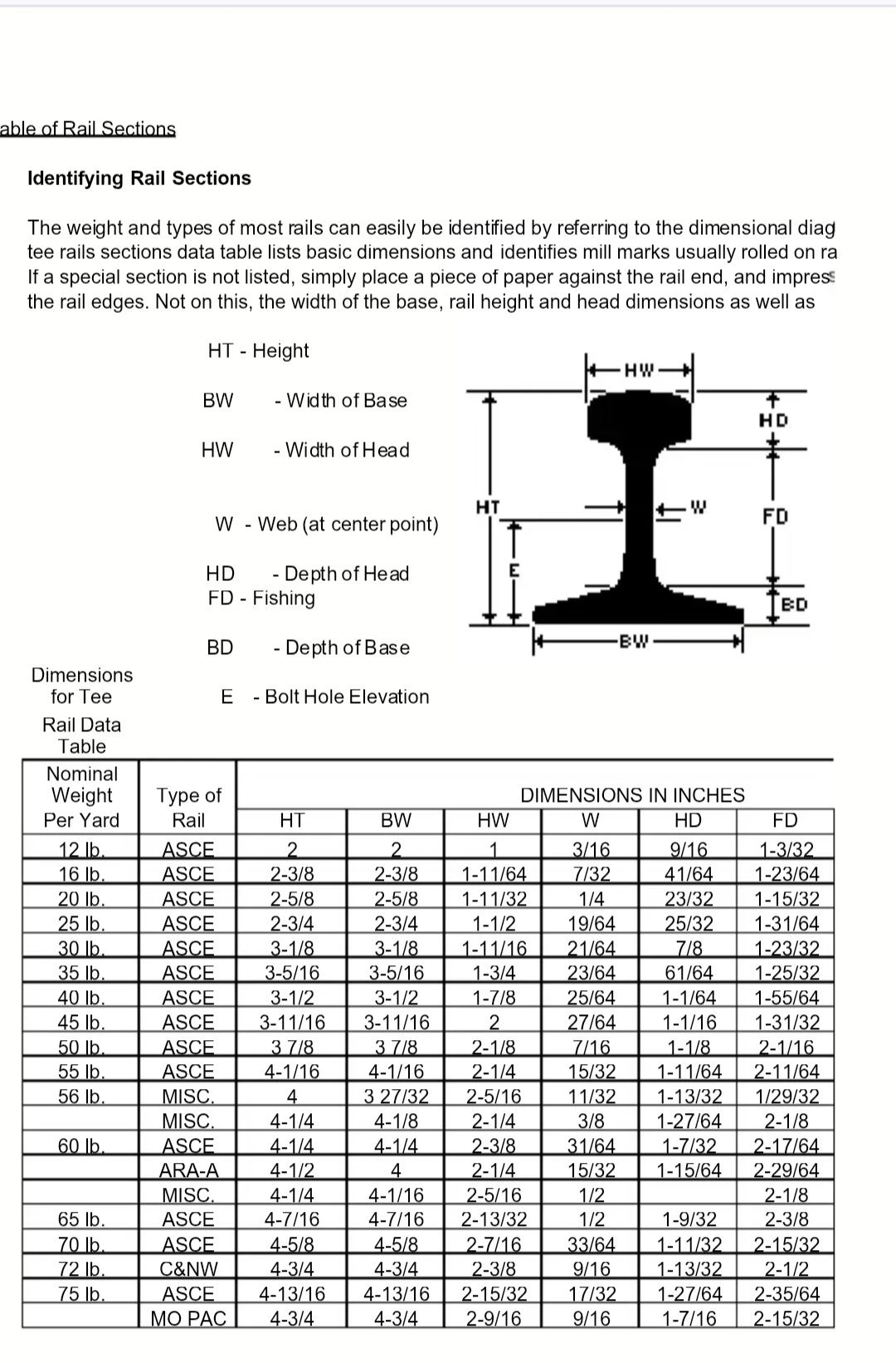
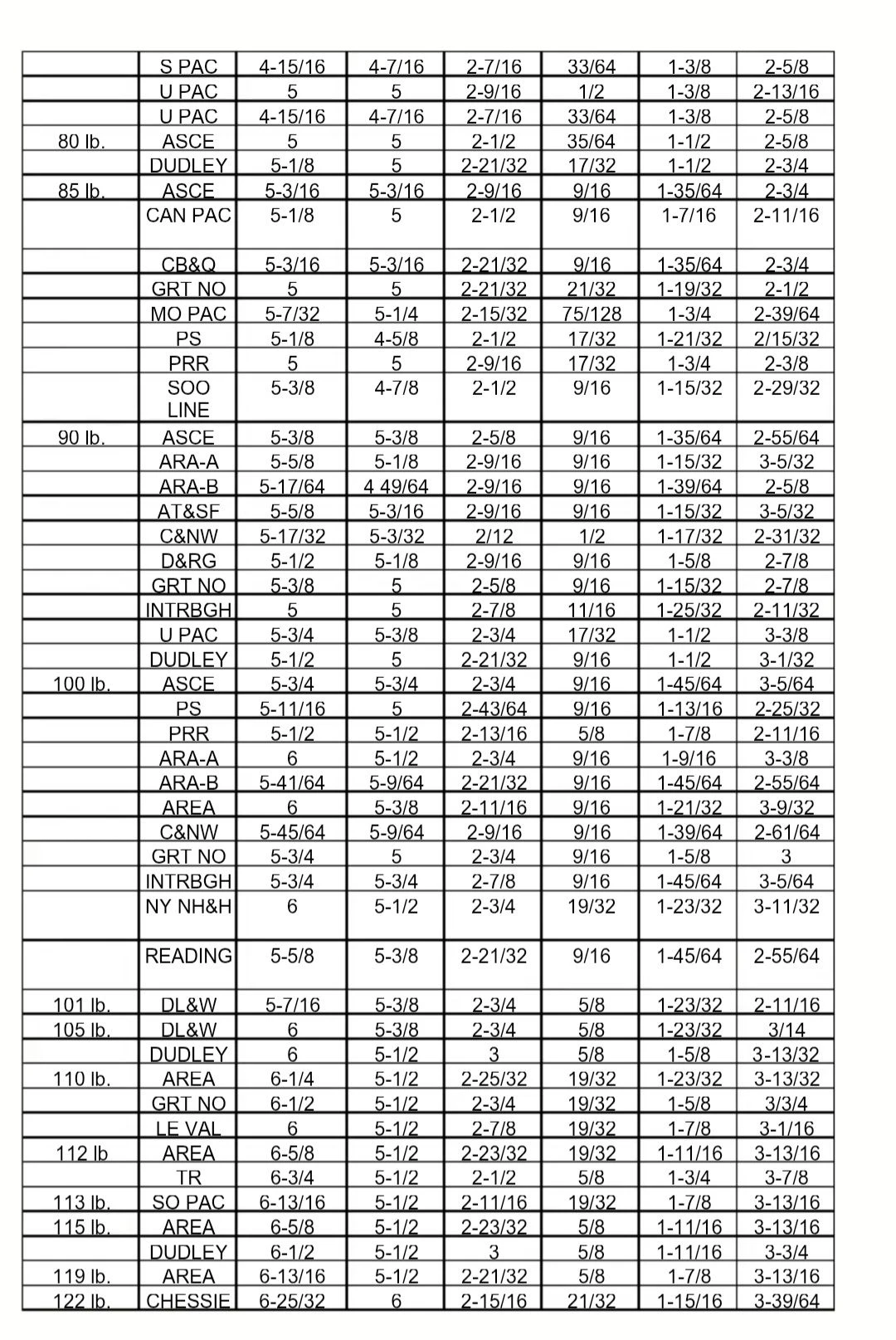
Using rail cross-section parameters allows you to quickly and accurately identify rail types and specifications. This simplifies maintenance and ensures railway operational safety. Mastering these techniques is essential for railway engineers and technicians. For professional solutions and CRCC-certified railway maintenance machinery, visit Henan Qiangli Machinery Co., Ltd.
Frequently Asked Questions
Q1: How can I quickly identify the type of railway rail?
A1: Measure the rail's height, head width, base width, and weight per meter, then compare with standard cross-section tables like UIC60, 43kg/m, or 50kg/m.
Q2: Why is it important to identify rail specifications?
A2: Correct identification ensures safe railway operations, proper maintenance, and avoids using incompatible rails for high-speed or industrial tracks.
Q3: Are there quick tools or methods for rail identification?
A3: By using the rail weight, cross-section dimensions, and track type/application, engineers can rapidly determine rail types. Reference resources like Railway Technical Web.
📧 Email: elinachina@126.com
📞 WhatsApp: +86 15617710309
🌐 Website: www.qlrailwaymachine.com


