

Different Types of Railway Jacks and Their Applications | QL Railway Machine
Different Types of Railway Jacks and Their Applications
A Comprehensive Professional Guide to Railway Lifting Equipment
On this page
Introduction
Railway jacks are essential tools in rail maintenance, construction, and emergency repair operations. These specialized lifting devices are designed to handle the immense weight of railway components while providing the stability and precision required for safe operations. Understanding the different types of railway jacks and their specific applications is crucial for selecting the right equipment for your railway maintenance needs.
In this comprehensive guide, we'll explore the main categories of railway jacks, their working principles, advantages, limitations, and ideal applications in various railway maintenance scenarios.
Mechanical Railway Jacks
Mechanical jacks represent the traditional approach to railway lifting, relying on mechanical advantage through screw mechanisms or rack and pinion systems.
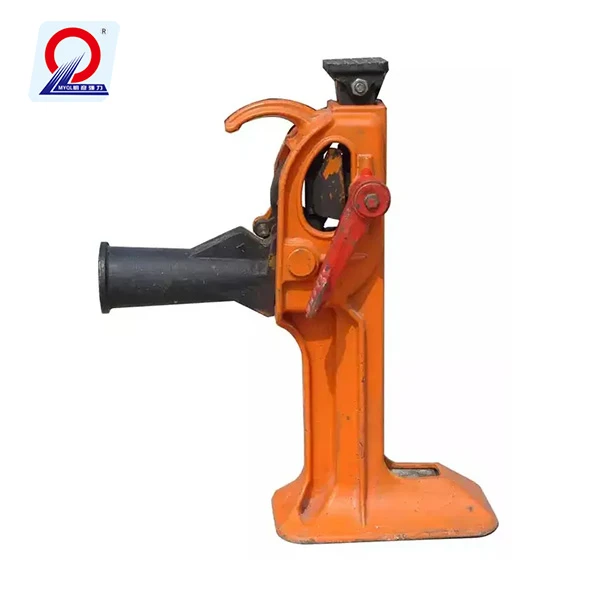
Types and Specifications
| Type | Working Principle | Capacity Range | Key Applications |
| Screw Jacks | Rotational force converted to linear motion via screw mechanism | 5–50 tons | Track maintenance, rail replacement, general lifting |
| Ratchet Jacks | Ratchet and pawl mechanism for controlled lifting | 10–30 tons | Bridge work, construction sites, emergency repairs |
Advantages of Mechanical Railway Jacks
- No external power source required
- High reliability with minimal maintenance
- Precise control over lifting height
- Can maintain position without continuous pressure
Limitations
- Slower operation compared to hydraulic systems
- Higher physical effort required
- Limited capacity compared to hydraulic alternatives
Hydraulic Railway Jacks
Hydraulic jacks utilize pressurized fluid to generate tremendous lifting force, making them the preferred choice for heavy-duty railway applications where high capacity and efficiency are paramount.
Types and Specifications
| Type | Working Principle | Capacity Range | Key Applications |
| Bottle Jacks | Vertical hydraulic cylinder with compact design | 20–100 tons | Emergency repairs, maintenance in confined spaces |
| Floor Jacks | Horizontal cylinder with vertical lifting arm | 50–150 tons | Heavy lifting, locomotive maintenance, rail replacement |
| High-Rail Jacks | Specialized hydraulic system for rail vehicles | 25–75 tons | On-track equipment maintenance, derailment recovery |
Advantages of Hydraulic Railway Jacks
- High lifting capacity with relatively compact size
- Smooth and controlled lifting operation
- Minimal physical effort required
- Versatile applications across various railway maintenance tasks
Limitations
- Regular maintenance required for hydraulic components
- Potential for hydraulic fluid leaks
- Generally higher initial cost than mechanical jacks
- Requires proper training for safe operation
Professional Railway Jack Solutions
Looking for reliable hydraulic railway jacks for your operations? Explore our premium railway jack collection featuring high-capacity models designed specifically for demanding railway applications.
Pneumatic Railway Jacks
Pneumatic jacks use compressed air to generate lifting force, offering unique advantages in specific railway environments where electricity or hydraulics may present challenges.
Types and Specifications
| Type | Working Principle | Capacity Range | Key Applications |
| Air Bag Jacks | Inflatable bags that expand with compressed air | 5–70 tons | Emergency rescues, uneven surface lifting |
| Pneumatic Hydraulic Jacks | Air-powered hydraulic pumps | 10–100 tons | Hazardous environments, maintenance shops |
Advantages of Pneumatic Railway Jacks
- Intrinsically safe in explosive environments
- Fast operation cycles
- Minimal maintenance requirements
- Lightweight compared to hydraulic equivalents
Limitations
- Requires compressed air supply
- Generally lower capacity than hydraulic jacks
- Can be noisy during operation
- Less precise control compared to hydraulic systems
Specialized Railway Jacks
Beyond the standard categories, several specialized jack types have been developed to address specific challenges in railway maintenance and construction.
Tunnel Jacks
Specially designed for confined spaces in railway tunnels with low headroom and limited working space. Feature compact designs and specialized safety features for tunnel environments.
Dual-Rail Jacks
Engineered to lift both rails simultaneously during track maintenance or replacement operations. Significantly reduce downtime during track renewal projects.
Remote-Controlled Jacks
Advanced jacks with remote operation capabilities for hazardous situations or when operators need to maintain safe distance during lifting operations.
Selection Guide & Applications
Choosing the right railway jack requires careful consideration of multiple factors to ensure safety, efficiency, and cost-effectiveness.
Application Scenarios and Recommended Jacks
| Application Scenario | Recommended Jack Type | Key Considerations | Safety Notes |
| Regular Track Maintenance | Hydraulic Rail Jacks (15–30 ton) | Portability, ease of use, lifting height | Always use track blocks, inspect regularly |
| Emergency Derailments | High-Capacity Hydraulic Jacks (50–100 ton) | Rapid deployment, stability on uneven ground | Use multiple jacks with synchronization |
| Tunnel Maintenance | Low-Profile Hydraulic or Mechanical Jacks | Compact design, ventilation requirements | Ensure adequate lighting, communication systems |
| Bridge Work | Synchronized Hydraulic Jack Systems | Precision control, load distribution | Engineered lifting plan, professional supervision |
| Locomotive Maintenance | Heavy-Duty Hydraulic Floor Jacks | Lifting points, capacity requirements | Always use jack stands, never work under unsupported loads |
Key Selection Criteria
- Lifting Capacity: Always select a jack with capacity exceeding the maximum expected load
- Lifting Height: Ensure the jack can achieve the required working height
- Working Environment: Consider space constraints, surface conditions, and potential hazards
- Frequency of Use: Heavy-use applications warrant investment in more durable equipment
- Maintenance Requirements: Factor in long-term maintenance needs and availability of parts
- Operator Safety: Prioritize jacks with built-in safety features and overload protection
The Bottom Line + Your Next Move
Selecting the appropriate railway jack is a critical decision that impacts safety, efficiency, and project timelines. Understanding the different types of jacks and their specific applications enables railway maintenance professionals to make informed decisions that optimize operations while maintaining the highest safety standards.
Hydraulic jacks generally offer the best balance of capacity, control, and versatility for most railway applications, while mechanical jacks provide reliable performance where power sources are limited. Pneumatic and specialized jacks address specific challenges in unique operating environments.
Ready to Enhance Your Railway Maintenance Operations?
Explore our comprehensive range of professional railway jacks designed to meet the demanding requirements of modern railway maintenance. Our railway jack collection includes hydraulic, mechanical, and specialized models with capacities from 15 to 100 tons, all engineered for durability, safety, and performance.
For personalized recommendations based on your specific application requirements, contact our technical team for expert guidance.
References
Federal Railroad Administration. (2021). Railroad Workplace Safety; Roadway Worker Protection.- American Railway Engineering and Maintenance-of-Way Association. (2022). Manual for Railway Engineering.
- International Union of Railways. (2020). Best Practices for Railway Maintenance Equipment.
- Occupational Safety and Health Administration. (2021). Safety Standards for Railroad Maintenance Facilities.
📧 Email: elinachina@126.com
📞 WhatsApp: +86 15617710309
🌐 Website: www.qlrailwaymachine.com


