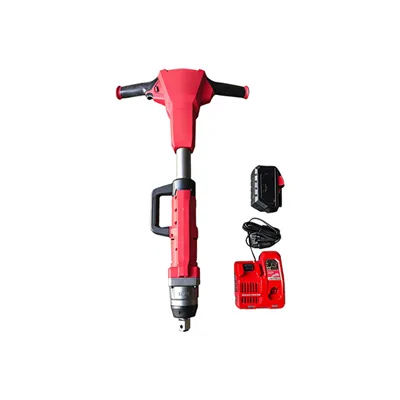
Hey there! As a supplier of rail grinders, I often get asked about the standard configuration of these machines. In this blog, I'll break down what makes up a typical rail grinder, so you'll have a better idea of what to expect when you're in the market for one.
The Basics of a Rail Grinder
First off, let's talk about the main purpose of a rail grinder. These machines are designed to maintain and repair railway tracks. They work by grinding the surface of the rails to remove defects like cracks, corrugations, and worn - out areas. This not only extends the lifespan of the rails but also improves the safety and comfort of train rides.
Power Source
One of the key components of a rail grinder is its power source. There are different types, but the most common ones are electric and internal - combustion engines.
Electric rail grinders are great because they're relatively quiet and produce zero emissions at the point of use. They're often used in areas where noise and pollution are a concern, like in urban or enclosed railway yards. On the other hand, internal - combustion engine - powered grinders offer more mobility. They don't need to be connected to an external power supply, so they can be used in remote locations. For example, our NCM - 5.2 Internal - Combustion Railway Switch Grinder is a popular choice for jobs in far - flung areas.
Grinding Wheels
The grinding wheels are the business end of the rail grinder. They come in various shapes, sizes, and materials, depending on the specific application. For general rail surface grinding, you'll typically find wheels made from abrasive materials like aluminum oxide or silicon carbide. These materials are hard enough to remove the unwanted material from the rail surface effectively.
Some rail grinders are equipped with multiple grinding wheels. This allows for more efficient grinding, as different wheels can be used for different tasks. For instance, one wheel might be used for rough grinding to quickly remove large amounts of material, while another can be used for fine grinding to achieve a smooth finish. Our Profile Grinder is designed with this multi - wheel concept in mind, offering a high - quality and efficient grinding solution.
Control System
A good rail grinder needs a reliable control system. This system allows the operator to adjust the speed, pressure, and position of the grinding wheels. Modern rail grinders often come with advanced control systems that can be programmed to follow a specific grinding pattern. This is especially useful for complex rail profiles or when precise grinding is required.
For example, the control system can be set to grind the rail at a specific angle or to a certain depth. This ensures that the grinding is done accurately and consistently, which is crucial for maintaining the integrity of the railway tracks. With the right control system, even less - experienced operators can achieve professional - level results.
Frame and Chassis
The frame and chassis of a rail grinder provide the structural support for all the other components. They need to be strong and durable to withstand the vibrations and forces generated during the grinding process. Most rail grinders have a steel frame, which offers excellent strength and stability.
The chassis also houses the wheels or tracks that allow the grinder to move along the rails. Some rail grinders are self - propelled, meaning they can move on their own, while others need to be towed by a separate vehicle. Our Railroad Grinder is designed with a sturdy frame and a reliable self - propelled system, making it easy to maneuver on the tracks.
Safety Features
Safety is always a top priority when it comes to rail grinders. These machines come with a range of safety features to protect the operator and those in the vicinity. For example, there are usually guards around the grinding wheels to prevent accidental contact. There are also emergency stop buttons that can be pressed in case of an emergency.
In addition, many rail grinders are equipped with sensors that can detect abnormal conditions, such as overheating or excessive vibration. When these sensors detect a problem, they can automatically shut down the machine to prevent further damage or injury.
Dust Collection System
Grinding rails generates a lot of dust, which can be harmful to the operator's health and can also cause environmental pollution. That's why most rail grinders are equipped with a dust collection system. This system works by sucking up the dust generated during the grinding process and collecting it in a container.
The dust collection system not only protects the operator but also helps to keep the work area clean. It reduces the risk of respiratory problems and also prevents the dust from settling on other equipment or in the surrounding environment.
Cooling System
During the grinding process, a lot of heat is generated. This heat can cause the grinding wheels to wear out faster and can also damage other components of the grinder. To prevent this, rail grinders are often equipped with a cooling system.
The cooling system can use water or air to dissipate the heat. Water - cooled systems are generally more efficient at cooling, but they require a water source and can be more complicated to maintain. Air - cooled systems are simpler and more portable, but they may not be as effective in high - heat situations.
Maintenance and Serviceability
A good rail grinder should be easy to maintain and service. This means that the components should be accessible, and there should be clear instructions on how to perform routine maintenance tasks like changing the grinding wheels, checking the oil levels, and inspecting the electrical system.
Regular maintenance is essential to keep the rail grinder in good working condition and to extend its lifespan. It also helps to prevent breakdowns and costly repairs. At our company, we provide comprehensive maintenance and service support for all our rail grinders.
Customization Options
Not all rail grinding jobs are the same, so many rail grinder suppliers offer customization options. You can choose to have additional features added to your grinder, such as a more powerful motor, a larger dust collection system, or a specialized control system.
Customization allows you to tailor the rail grinder to your specific needs and requirements. Whether you're working on a small - scale project or a large - scale railway maintenance job, a customized rail grinder can provide the best solution.
Conclusion
So, there you have it - the standard configuration of a rail grinder. From the power source and grinding wheels to the control system and safety features, each component plays a crucial role in the performance and functionality of the machine.


If you're in the market for a rail grinder, I hope this blog has given you a better understanding of what to look for. At our company, we offer a wide range of high - quality rail grinders that are designed to meet the diverse needs of our customers. Whether you need a simple, portable grinder for small jobs or a large, heavy - duty machine for major railway projects, we've got you covered.
If you're interested in learning more about our rail grinders or have any questions about the standard configuration, feel free to reach out to us. We're always happy to have a chat and help you find the perfect rail grinder for your needs. Let's start a conversation about your rail grinding requirements and see how we can work together to keep your railway tracks in top shape.
References
- Railway Maintenance Handbook, various industry publications
- Manufacturer's manuals for rail grinders