


The load - bearing capacity of a rail tamper is a crucial factor that significantly impacts the efficiency and effectiveness of railway track maintenance. As a leading supplier of rail tampers, we understand the importance of this parameter and its implications for the railway industry. In this blog, we will delve into what the load - bearing capacity of a rail tamper is, why it matters, and how it relates to our product offerings.
Understanding the Load - Bearing Capacity of a Rail Tamper
The load - bearing capacity of a rail tamper refers to the maximum weight or force that the machine can handle during its operation. This includes the weight of the machine itself, the force exerted on the ballast and sleepers during the tamping process, and any additional loads such as the weight of operators or auxiliary equipment.
There are two main aspects to consider when discussing the load - bearing capacity: static and dynamic. Static load - bearing capacity is the maximum weight the rail tamper can support when it is stationary. This is important for ensuring the stability of the machine when it is parked or set up for maintenance work. For example, if a rail tamper has a low static load - bearing capacity, it may tip over or cause damage to the track surface when parked on uneven ground.
Dynamic load - bearing capacity, on the other hand, is the maximum force the machine can withstand during its normal operation. When a rail tamper is tamping the ballast, it exerts a significant amount of force on the sleepers and the ballast bed. This force is used to compact the ballast, which helps to maintain the correct alignment and level of the railway track. A rail tamper with a high dynamic load - bearing capacity can perform more effectively, as it can apply greater force to the ballast, resulting in better compaction and longer - lasting track stability.
Why Load - Bearing Capacity Matters
The load - bearing capacity of a rail tamper is directly related to the quality of track maintenance. A machine with an appropriate load - bearing capacity can ensure that the ballast is properly compacted, which is essential for several reasons.
Firstly, proper ballast compaction helps to distribute the load of passing trains evenly across the track. This reduces the stress on individual sleepers and rails, preventing premature wear and tear. Over time, this can lead to significant cost savings for railway operators, as they will need to replace track components less frequently.
Secondly, well - compacted ballast provides better lateral and vertical stability for the track. This is crucial for maintaining the correct alignment of the rails, especially on curves and in areas with high - speed train traffic. A rail tamper with a sufficient load - bearing capacity can ensure that the track remains stable, reducing the risk of derailments and improving overall safety.
Finally, the load - bearing capacity also affects the productivity of the maintenance work. A machine that can handle higher loads can work more efficiently, as it can complete the tamping process in fewer passes. This means that railway tracks can be returned to service more quickly, minimizing disruptions to train schedules.
Our Rail Tamper Product Offerings and Load - Bearing Capacity
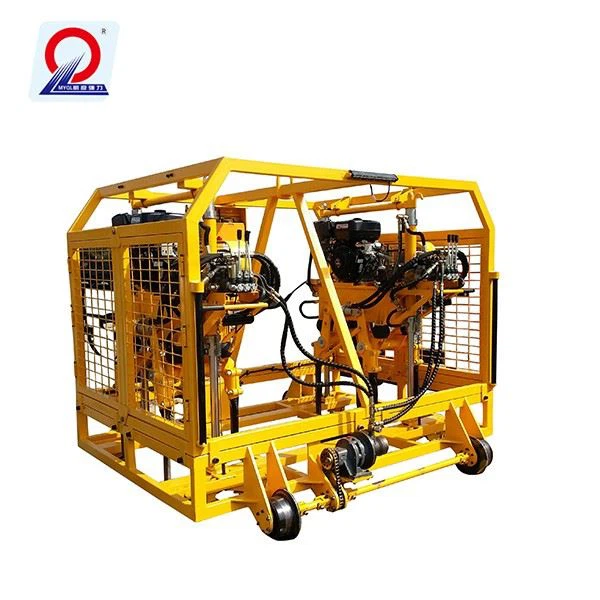
As a supplier of rail tampers, we offer a range of products with different load - bearing capacities to meet the diverse needs of our customers. Our YCD - 2 Hydraulic Rail Switch Tamping Machine is designed for use in switch areas, where precise tamping is required. This machine has a carefully calibrated load - bearing capacity that allows it to work effectively in tight spaces without causing damage to the delicate switch components.
Our Railway Track Maintenance Equipment is suitable for general track maintenance work. These machines are built with a higher load - bearing capacity to handle the more demanding tamping tasks on mainline tracks. They can apply greater force to the ballast, ensuring thorough compaction and long - term track stability.
For heavy - duty applications, our Railroad Ballast Tamper is the ideal choice. This machine has a high static and dynamic load - bearing capacity, making it capable of working on large - scale railway projects. It can handle the heavy loads associated with long - distance tamping operations and can operate in a variety of environmental conditions.
Factors Affecting the Load - Bearing Capacity of a Rail Tamper
Several factors can affect the load - bearing capacity of a rail tamper. One of the most important factors is the design and construction of the machine. A well - engineered rail tamper with a strong frame and high - quality components will generally have a higher load - bearing capacity. The materials used in the construction, such as steel alloys, also play a crucial role in determining the strength and durability of the machine.
The type of tamping mechanism is another important factor. Different tamping mechanisms, such as hydraulic or mechanical, have different force - application capabilities. Hydraulic tamping mechanisms, for example, can often provide more precise and powerful force application, which can increase the dynamic load - bearing capacity of the machine.
The operating conditions also have an impact on the load - bearing capacity. If the track is in poor condition, with uneven ballast or damaged sleepers, the rail tamper may need to exert more force to achieve proper compaction. In such cases, a machine with a higher load - bearing capacity is required to ensure that the maintenance work can be completed effectively.
How to Choose the Right Rail Tamper Based on Load - Bearing Capacity
When choosing a rail tamper, it is essential to consider the specific requirements of the maintenance project. The type of track, the frequency of train traffic, and the condition of the ballast are all important factors to take into account.
For light - duty maintenance work, such as on small - scale industrial tracks or in areas with low - speed train traffic, a rail tamper with a lower load - bearing capacity may be sufficient. These machines are often more compact and easier to maneuver, making them suitable for tight spaces.
For heavy - duty applications, such as on mainline railway tracks or in areas with high - speed train traffic, a rail tamper with a high load - bearing capacity is necessary. These machines can handle the large forces required for proper ballast compaction and can ensure the long - term stability of the track.
It is also important to consider the future expansion plans of the railway network. If there are plans to increase the train traffic or upgrade the track in the future, it may be wise to choose a rail tamper with a higher load - bearing capacity to accommodate these changes.
Conclusion
The load - bearing capacity of a rail tamper is a critical parameter that affects the quality, efficiency, and safety of railway track maintenance. As a supplier of rail tampers, we are committed to providing our customers with high - quality machines that have appropriate load - bearing capacities for their specific needs. Whether you are looking for a machine for switch areas, general track maintenance, or heavy - duty applications, we have a range of products to choose from.
If you are interested in learning more about our rail tamper products or have specific requirements for your railway maintenance project, we encourage you to contact us for a detailed discussion. Our team of experts is ready to assist you in selecting the right rail tamper and providing you with the best solutions for your needs.
References
- Railway Track Maintenance Handbook, various authors
- Engineering Principles of Railway Track Design, John Carey


