What is the impact of altitude on the battery life of a cordless Railway Impact Wrench?
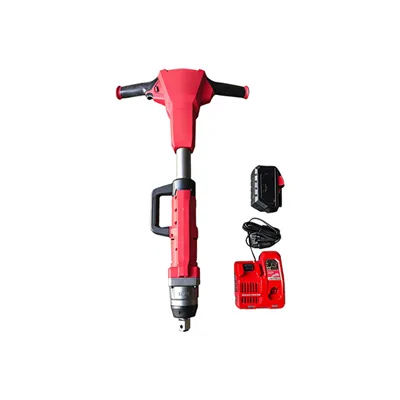
As a supplier of Railway Impact Wrenches, I've received numerous inquiries from customers regarding the performance of our cordless tools under various environmental conditions. One question that often arises is the impact of altitude on the battery life of a cordless Railway Impact Wrench. In this blog, I'll delve into the scientific aspects of this issue and provide insights based on our experience and industry knowledge.
Understanding the Basics of Battery Operation
Before discussing the impact of altitude, it's essential to understand how a battery works in a cordless Railway Impact Wrench. Most cordless tools, including our Railway Impact Wrenches, use lithium - ion batteries. These batteries operate based on the movement of lithium ions between the anode and the cathode through an electrolyte. When the battery is charged, lithium ions are stored in the anode. During use, these ions flow to the cathode, generating an electric current that powers the tool.


The Role of Altitude in Battery Performance
Altitude affects battery performance primarily through two factors: air pressure and temperature.
Air Pressure
At higher altitudes, the air pressure is lower. Lithium - ion batteries are sealed units, and the change in external air pressure can create a pressure differential between the inside and outside of the battery. This pressure differential can potentially cause the battery casing to expand slightly. While modern lithium - ion batteries are designed to withstand some pressure variations, excessive expansion can lead to internal damage, such as the separation of electrodes or the rupture of the electrolyte membrane. This damage can reduce the battery's ability to hold a charge and deliver power efficiently, thus shortening its overall lifespan.
Temperature
As altitude increases, the temperature generally decreases. Lithium - ion batteries are sensitive to temperature changes. Cold temperatures slow down the chemical reactions inside the battery. The movement of lithium ions becomes less efficient, and the internal resistance of the battery increases. As a result, the battery cannot deliver the same amount of power as it would at normal temperatures. For example, a cordless Railway Impact Wrench that can operate for an hour at sea - level temperatures may only last for 30 - 40 minutes at high altitudes where the temperature is significantly lower.
Real - World Implications for Railway Impact Wrenches
In railway maintenance, Railway Impact Wrenches are used to tighten and loosen bolts on tracks. These tasks require a consistent and reliable power source. When operating at high altitudes, the reduced battery life can significantly impact work efficiency. Maintenance crews may need to carry additional batteries or recharge more frequently, which can lead to longer downtime and increased labor costs.
For instance, in mountainous regions where railway tracks are often laid at high altitudes, the battery life of our cordless Railway Impact Wrenches may be reduced by up to 30% compared to operations at sea level. This means that instead of being able to complete a full day's work with a set of fully - charged batteries, crews may need to recharge or swap batteries halfway through the day.
Mitigating the Impact of Altitude on Battery Life
To address the challenges posed by altitude, we offer a range of solutions.
Battery Design
Our engineers are constantly working on improving battery design to make them more resistant to pressure and temperature variations. We use advanced materials for the battery casing that can withstand greater pressure differentials without expanding. Additionally, we incorporate thermal management systems into our batteries. These systems can heat the battery in cold conditions to maintain an optimal operating temperature, ensuring that the battery can deliver consistent power even at high altitudes.
User Education
We also provide comprehensive training to our customers on how to use our cordless Railway Impact Wrenches at high altitudes. This includes advice on pre - heating the batteries before use, storing the batteries in insulated containers, and carrying spare batteries to minimize downtime.
Comparing with Other Types of Railway Wrenches
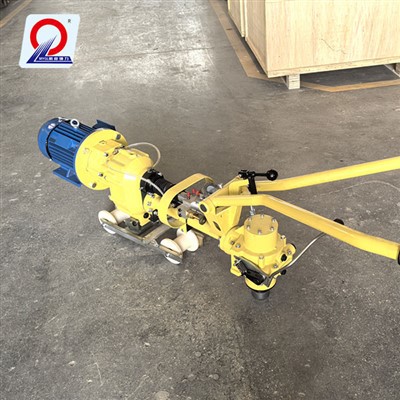
It's important to note that cordless Railway Impact Wrenches are not the only option available for railway maintenance. We also offer Hydraulic Impact Wrench Railroad and Petrol Engine Rail Bolt Wrench.
Hydraulic impact wrenches are powered by hydraulic systems and are less affected by altitude. They rely on the flow of hydraulic fluid, which is not as sensitive to air pressure and temperature changes as batteries. However, they are heavier and more complex to operate and maintain.
Petrol engine rail bolt wrenches, on the other hand, have their own set of challenges at high altitudes. The combustion process in a petrol engine is affected by the lower oxygen levels at high altitudes, which can reduce the engine's power output.
Conclusion
In conclusion, altitude has a significant impact on the battery life of cordless Railway Impact Wrenches. The combination of lower air pressure and colder temperatures can reduce the battery's performance and lifespan. However, through continuous innovation in battery design and user education, we are able to mitigate these effects and provide reliable tools for railway maintenance in all environments.
If you are in the market for a high - quality Railway Impact Wrench or need more information on how our products perform at high altitudes, we encourage you to contact us. Our team of experts is ready to assist you in finding the best solution for your railway maintenance needs.
References
- Linden, D., & Reddy, T. B. (2002). Handbook of Batteries. McGraw - Hill.
- Kousksou, T., Jamil, A., & Savadogo, O. (2014). Thermal management of lithium - ion batteries. Renewable and Sustainable Energy Reviews, 32, 122 - 143.