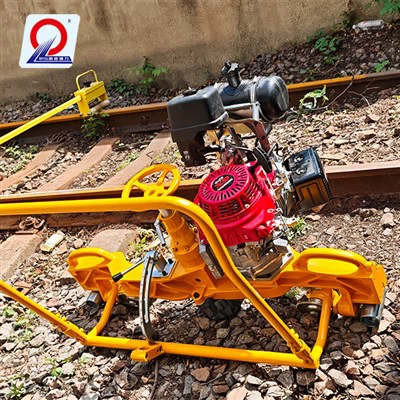
In the realm of railway infrastructure maintenance, the accurate measurement of rail wear is of paramount importance. Rail wear gauges play a crucial role in ensuring the safety and efficiency of railway systems. As a leading supplier of rail wear gauges, I am often asked about the availability of rail wear gauges with remote monitoring functions. In this blog post, I will explore this topic in detail, discussing the benefits, challenges, and current market offerings of rail wear gauges with remote monitoring capabilities.
The Importance of Rail Wear Measurement
Rail wear is a natural consequence of the constant interaction between train wheels and the rails. Over time, this wear can lead to various issues, including reduced ride comfort, increased noise and vibration, and even safety hazards. By regularly measuring rail wear, railway operators can detect early signs of excessive wear and take proactive measures to prevent more serious problems. This helps to extend the lifespan of the rails, reduce maintenance costs, and improve overall operational efficiency.
The Need for Remote Monitoring
Traditional rail wear measurement methods typically involve manual inspections using handheld gauges. While these methods are effective, they are also time-consuming, labor-intensive, and prone to human error. In addition, manual inspections can only provide a snapshot of the rail wear at a specific point in time, and may not capture changes that occur between inspections.
Remote monitoring offers a more efficient and accurate solution. By using sensors and wireless communication technology, rail wear gauges can continuously monitor the condition of the rails and transmit real-time data to a central monitoring station. This allows railway operators to track rail wear over time, identify trends, and make informed decisions about maintenance and replacement.
Benefits of Rail Wear Gauges with Remote Monitoring Functions
There are several benefits to using rail wear gauges with remote monitoring functions:
- Real-time data: Remote monitoring provides continuous, real-time data on rail wear, allowing railway operators to respond quickly to changes in the condition of the rails.
- Early detection of problems: By monitoring rail wear over time, remote monitoring can detect early signs of excessive wear or damage, allowing operators to take proactive measures to prevent more serious problems.
- Improved safety: Accurate and timely information about rail wear can help to improve safety by reducing the risk of derailments and other accidents.
- Cost savings: By optimizing maintenance schedules based on real-time data, remote monitoring can help to reduce maintenance costs and extend the lifespan of the rails.
- Enhanced efficiency: Remote monitoring eliminates the need for manual inspections, saving time and labor costs. It also allows operators to monitor multiple locations simultaneously, improving overall operational efficiency.
Challenges of Remote Monitoring
While remote monitoring offers many benefits, there are also some challenges that need to be addressed:
- Sensor reliability: The accuracy and reliability of the sensors used in remote monitoring systems are critical. Sensors need to be able to withstand harsh environmental conditions, such as extreme temperatures, humidity, and vibration, and provide accurate data over an extended period of time.
- Data transmission: Wireless communication technology is used to transmit data from the sensors to the central monitoring station. However, issues such as signal interference, network congestion, and power outages can affect the reliability of data transmission.
- Data management: Remote monitoring systems generate large amounts of data, which need to be stored, analyzed, and interpreted. This requires a robust data management system and skilled personnel to analyze the data and make informed decisions.
- Cost: Remote monitoring systems can be expensive to install and maintain, especially for large railway networks. The cost of sensors, communication equipment, and data management systems needs to be weighed against the potential benefits.
Current Market Offerings
There are several companies that offer rail wear gauges with remote monitoring functions. These products typically use a combination of sensors, wireless communication technology, and data management software to provide real-time monitoring and analysis of rail wear.
One example is the Digital Rail Wear Gauge offered by our company. This gauge uses advanced sensors to measure rail wear with high accuracy and precision. It also features a wireless communication module that allows it to transmit data to a central monitoring station in real-time. The data can be accessed and analyzed using our proprietary software, which provides detailed reports and alerts to help railway operators make informed decisions about maintenance and replacement.
Another example is the Digital Track Gauge, which is designed to measure the track gauge and other geometric parameters of the railway track. This gauge also features remote monitoring capabilities, allowing railway operators to track changes in the track geometry over time and take proactive measures to prevent track-related issues.
Conclusion
Rail wear gauges with remote monitoring functions offer a significant improvement over traditional manual inspection methods. By providing real-time data on rail wear, these gauges can help railway operators to improve safety, reduce maintenance costs, and enhance operational efficiency. While there are some challenges associated with remote monitoring, the benefits outweigh the costs in most cases.
As a leading supplier of rail wear gauges, we are committed to providing our customers with the latest technology and solutions for railway infrastructure maintenance. Our Digital Rail Wear Gauge and Digital Track Gauge are designed to meet the needs of modern railway systems, offering high accuracy, reliability, and ease of use.
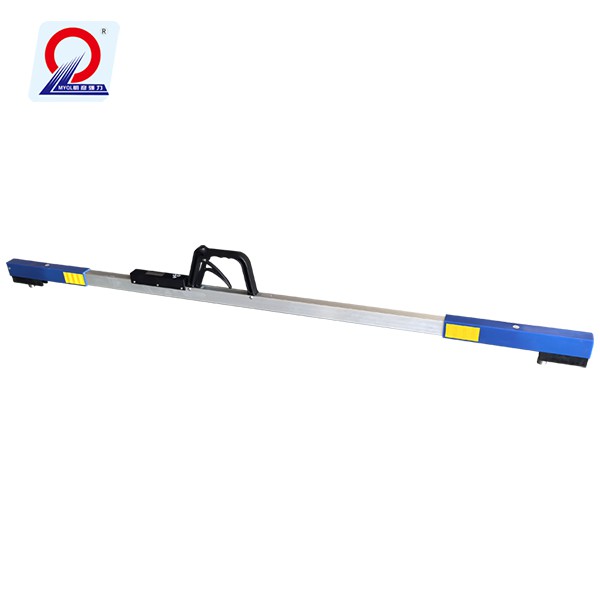

If you are interested in learning more about our rail wear gauges with remote monitoring functions, or if you have any questions or concerns, please do not hesitate to contact us. We would be happy to discuss your specific requirements and provide you with a customized solution.