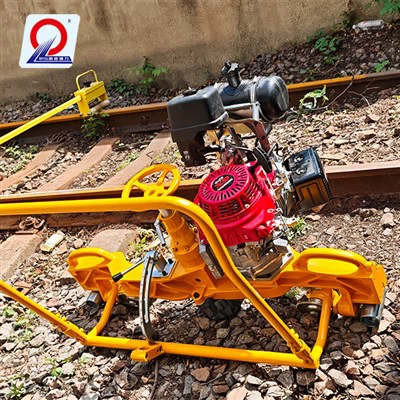
What are the technical parameters of a rail cutting machine?
As a supplier of rail cutting machines, I am often asked about the technical parameters of these essential pieces of equipment. Understanding these parameters is crucial for anyone involved in railway construction, maintenance, or repair. In this blog post, I will delve into the key technical parameters of rail cutting machines, providing you with the information you need to make an informed decision when purchasing or using these machines.
Cutting Capacity
One of the most important technical parameters of a rail cutting machine is its cutting capacity. This refers to the maximum size and type of rail that the machine can cut. Cutting capacity is typically measured in terms of the rail profile, such as the weight per meter (e.g., 43 kg/m, 50 kg/m, 60 kg/m) and the height and base width of the rail.
For example, some rail cutting machines are designed to cut smaller rails used in light rail systems or industrial railways, while others are capable of handling the larger and heavier rails used in mainline railways. When choosing a rail cutting machine, it is essential to ensure that its cutting capacity matches the requirements of your project.
Cutting Speed
Cutting speed is another critical parameter that affects the efficiency and productivity of a rail cutting machine. It is usually measured in millimeters per minute (mm/min) or inches per minute (in/min). The cutting speed depends on several factors, including the type of cutting tool (e.g., abrasive wheel, saw blade), the power of the machine, and the hardness of the rail material.
A higher cutting speed generally means that the machine can complete the cutting task more quickly, reducing downtime and increasing overall productivity. However, it is important to note that cutting speed should not be sacrificed at the expense of cutting quality. A machine that cuts too quickly may produce rough or inaccurate cuts, which can lead to problems during subsequent installation or maintenance.
Cutting Accuracy
Cutting accuracy is vital for ensuring the proper fit and alignment of rails during installation. It is typically expressed as a tolerance in millimeters or inches. A high - accuracy rail cutting machine can produce cuts with minimal deviation from the desired dimensions, resulting in a better - quality end product.
Factors that affect cutting accuracy include the stability of the machine, the precision of the cutting mechanism, and the quality of the cutting tool. When selecting a rail cutting machine, look for models that offer high - precision cutting capabilities, especially if your project requires tight tolerances.
Power Source
Rail cutting machines can be powered by different sources, including electricity, gasoline, and hydraulic power. Each power source has its own advantages and disadvantages.
Electric - powered rail cutting machines are generally more environmentally friendly and quieter than their gasoline - powered counterparts. They are also easier to operate and maintain, as they have fewer moving parts. However, they require a nearby power outlet, which may limit their mobility in some situations.
Gasoline - powered machines offer greater mobility, as they can be used in remote locations without access to electricity. They are also more powerful, making them suitable for cutting thicker and harder rails. However, they produce exhaust fumes and are louder, which may be a concern in some work environments.
Hydraulic - powered rail cutting machines are known for their high power and reliability. They are often used in heavy - duty applications where large - scale rail cutting is required. However, they are more complex and expensive to maintain compared to electric or gasoline - powered machines.
Cutting Tool
The type of cutting tool used in a rail cutting machine has a significant impact on its performance and cutting quality. The two most common types of cutting tools are abrasive wheels and saw blades.
Abrasive wheels are made of abrasive materials bonded together to form a wheel. They are suitable for cutting a wide range of rail materials, including steel and cast iron. Abrasive wheels can produce clean and smooth cuts, but they tend to wear out more quickly than saw blades and may require more frequent replacement. You can learn more about Abrasive Rail Cutting Machine.
Saw blades, on the other hand, are typically made of high - speed steel or carbide - tipped steel. They are more durable than abrasive wheels and can provide a more precise cut. Saw blades are often used for cutting softer rail materials or when a high - quality finish is required. Explore Railway Cutting Machine and Railway Cutter for more information on different cutting options.
Portability
Portability is an important consideration, especially for projects that require the rail cutting machine to be moved from one location to another. Portable rail cutting machines are typically lightweight and easy to transport. They may be equipped with wheels or handles for easy maneuverability.
Some machines are designed to be compact and foldable, making them even more convenient to carry and store. When choosing a rail cutting machine, consider the portability requirements of your project and select a model that can be easily transported to the job site.
Noise Level
Noise level is a concern, especially in urban or residential areas where noise pollution can be a problem. A quieter rail cutting machine is more likely to be accepted in these environments. Electric - powered machines are generally quieter than gasoline - powered ones, but the noise level can also be affected by the design and construction of the machine.


Look for rail cutting machines that are designed with noise - reducing features, such as sound - insulating materials or mufflers. This can help to minimize the impact of the machine on the surrounding environment and improve the working conditions for operators.
Safety Features
Safety is of utmost importance when operating a rail cutting machine. Look for machines that are equipped with safety features such as emergency stop buttons, protective guards, and overload protection.
Emergency stop buttons allow the operator to immediately stop the machine in case of an emergency. Protective guards prevent the operator from coming into contact with the cutting tool, reducing the risk of injury. Overload protection helps to prevent damage to the machine by shutting it down when it is overloaded.
In conclusion, understanding the technical parameters of a rail cutting machine is essential for making the right choice for your railway project. By considering factors such as cutting capacity, cutting speed, cutting accuracy, power source, cutting tool, portability, noise level, and safety features, you can select a machine that meets your specific needs and requirements.
If you are in the market for a high - quality rail cutting machine, I encourage you to contact us for more information. Our team of experts can provide you with detailed product specifications and help you choose the best machine for your project. We are committed to providing excellent customer service and reliable products that will meet your expectations. Let's start a conversation about your rail cutting needs and explore how our machines can contribute to the success of your project.
References
- Railway Engineering Handbook, various editions
- Manufacturer's manuals of different rail cutting machines