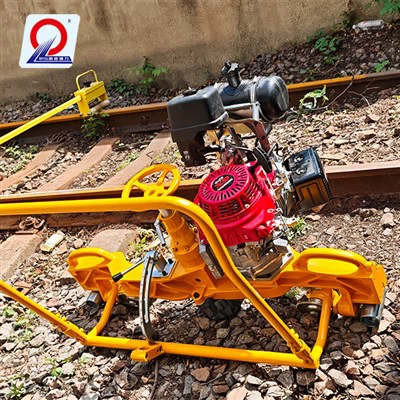
Hey there! As a supplier of Track Tamper Machines, I often get asked about the speed capabilities of these nifty pieces of equipment. So, I thought I'd take a deep dive into this topic and share everything you need to know.
Understanding Track Tamper Machines
First off, let's quickly go over what a Track Tamper Machine is. These machines are crucial for railway maintenance. They're used to pack the ballast under the railway tracks, which helps to keep the tracks in the right position, ensures a smooth ride for trains, and extends the lifespan of the tracks. There are different types of track tamper machines, like the Ballast Compactor, YCD - 2 Hydraulic Rail Switch Tamping Machine, and Portable Tamping Machine. Each type has its own unique features and speed capabilities.
Factors Affecting Speed
There are several factors that can affect how fast a Track Tamper Machine can work.
Machine Design
The design of the machine plays a huge role. Some machines are built with advanced technology that allows them to work more quickly. For example, modern track tamper machines often have automated systems that can adjust the tamping process based on the condition of the tracks. This means they can work more efficiently and at a faster pace. On the other hand, older or less - advanced machines may take longer to complete the same job.
Track Conditions
The condition of the tracks also matters a lot. If the tracks are in good shape and the ballast is evenly distributed, the machine can work faster. However, if there are issues like uneven ballast, damaged ties, or a lot of debris on the tracks, the machine will have to work more slowly to ensure proper tamping. For instance, if there's a large amount of dirt or gravel on the tracks, the machine may need to spend extra time cleaning it up before it can start tamping.
Operator Skill
The skill of the operator is another important factor. An experienced operator who knows how to handle the machine properly can make it work more efficiently. They'll be able to adjust the settings of the machine according to the track conditions and get the job done faster. A novice operator, on the other hand, may take longer to complete the same task, as they may not be as familiar with the machine's controls and capabilities.
Speed Capabilities of Different Types of Track Tamper Machines
Ballast Compactor
The Ballast Compactor is designed to compact the ballast under the tracks. These machines can typically work at a speed of around 1 - 2 kilometers per hour. This speed allows them to effectively compact the ballast while still maintaining a high level of accuracy. The compactor needs to move slowly enough to ensure that the ballast is properly compressed, but fast enough to cover a reasonable amount of track in a day.
YCD - 2 Hydraulic Rail Switch Tamping Machine
The YCD - 2 Hydraulic Rail Switch Tamping Machine is specifically designed for tamping the areas around rail switches. These areas are more complex to work on compared to regular tracks, so the machine usually operates at a slower speed. It can typically tamp at a rate of about 0.5 - 1 kilometer per hour. The slower speed is necessary to ensure that the tamping is done accurately around the switches, which are critical for the safe operation of trains.
Portable Tamping Machine
Portable tamping machines are smaller and more lightweight, making them ideal for smaller - scale railway maintenance projects. They can work at a speed of around 0.3 - 0.8 kilometers per hour. These machines are often used in areas where larger machines can't easily access, such as in narrow tunnels or on private railway lines. Their relatively slower speed is compensated by their portability and ease of use.


Benefits of High - Speed Track Tamper Machines
Having a track tamper machine with good speed capabilities can bring several benefits.
Reduced Downtime
Faster machines mean that railway maintenance can be completed more quickly. This reduces the amount of time that the tracks need to be closed for maintenance, which is great for train operators. Less downtime means fewer disruptions to train schedules, which can improve the overall efficiency of the railway system.
Cost - Efficiency
When a machine can work faster, it can cover more track in less time. This means that fewer man - hours are required for the maintenance job, which can lead to cost savings. Additionally, faster machines can often be used more frequently, which can help to extend the lifespan of the tracks and reduce the need for major repairs in the long run.
How to Choose the Right Speed for Your Needs
When choosing a Track Tamper Machine, it's important to consider your specific needs. If you're working on a large - scale railway project with long stretches of track, a machine with a higher speed capability may be more suitable. However, if you're working on smaller projects or in areas with complex track conditions, a slower but more precise machine may be a better choice.
Conclusion
So, there you have it! The speed capabilities of Track Tamper Machines can vary depending on the type of machine, track conditions, and operator skill. Whether you need a fast - paced machine for large - scale projects or a more precise one for smaller jobs, there's a machine out there that can meet your needs. If you're interested in learning more about our Track Tamper Machines or have any questions about their speed capabilities, don't hesitate to reach out. We're here to help you find the perfect solution for your railway maintenance needs.
References
- Railway Maintenance Handbook
- Industry reports on Track Tamper Machine technology and performance