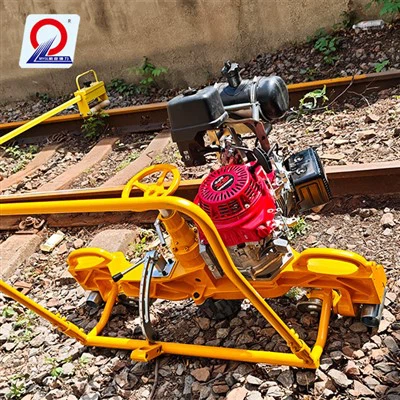
When it comes to railway maintenance, the railway impact wrench stands out as a powerful and indispensable tool. As a supplier of high - quality railway impact wrenches, I've witnessed firsthand how these tools can transform the efficiency and effectiveness of railway maintenance tasks. However, to truly maximize the potential of a railway impact wrench, it's essential to use it in combination with other complementary tools. In this blog post, I'll share some insights on how to do just that.
Understanding the Railway Impact Wrench
Before delving into the combination of tools, let's briefly understand what a railway impact wrench is. A railway impact wrench is designed specifically for the demanding tasks of railway maintenance. It uses a high - torque impact mechanism to quickly and efficiently tighten or loosen bolts and nuts on railway tracks, switches, and other components. Its power and precision make it a go - to tool for railway workers around the world.
Complementary Tools for Railway Impact Wrenches
1. Socket Sets
Socket sets are a must - have companion for railway impact wrenches. Different railway components have various bolt and nut sizes, and a comprehensive socket set ensures that you have the right socket for every job. When selecting a socket set for use with a railway impact wrench, choose one made of high - strength materials like chrome - vanadium steel. These sockets can withstand the high - torque forces generated by the impact wrench without deforming or breaking. For example, when working on the fastening of rail joints, you can quickly swap out sockets to match the different sizes of bolts used in the joint assembly. The combination of a railway impact wrench and a well - selected socket set allows for seamless and efficient bolt tightening and loosening operations.


2. Torque Wrenches
While a railway impact wrench is great for quickly applying high torque, a torque wrench is essential for achieving the precise torque required for railway components. Over - tightening or under - tightening bolts can lead to serious safety issues on the railway tracks. After using the railway impact wrench to initially tighten a bolt, a torque wrench can be used to fine - tune the torque to the manufacturer's specifications. This ensures that the bolts are tightened to the correct level, providing optimal stability and safety. For instance, when installing new railway sleepers, the railway impact wrench can be used to rapidly tighten the bolts, and then a torque wrench can be employed to double - check and adjust the torque, guaranteeing that the sleepers are securely fastened. You can find a wide range of torque wrenches suitable for railway maintenance at Railroad Track Maintenance Tools.
3. Bolt Cutters
In some cases, you may encounter bolts that are severely damaged or corroded and cannot be loosened by a railway impact wrench alone. This is where bolt cutters come in handy. Bolt cutters can be used to cut through the damaged bolts, allowing for their removal and replacement. When using bolt cutters in combination with a railway impact wrench, first attempt to use the impact wrench to loosen the bolt. If it fails, carefully position the bolt cutters around the bolt and apply pressure to cut through it. After removing the damaged bolt, the railway impact wrench can be used to install a new one. This combination of tools ensures that you can handle even the most challenging bolt - removal situations on the railway tracks.
4. Rail Drills
When adding new components or making modifications to the railway tracks, rail drills are essential. A rail drill is used to create holes in the rails for the installation of bolts, clips, or other fastening devices. After drilling the holes, a railway impact wrench can be used to insert and tighten the bolts. This combination is particularly useful when installing new signaling equipment or trackside sensors. The rail drill creates precise holes, and the railway impact wrench ensures that the bolts are securely tightened, providing a stable mounting for the new equipment. For more information on railway maintenance tools like rail drills, visit Railroad Wrench.
Workflow for Using Tools in Combination
To effectively use a railway impact wrench in combination with other tools, it's important to follow a well - defined workflow.
1. Inspection and Planning
Before starting any maintenance work, thoroughly inspect the railway components to identify the tasks that need to be performed. Determine which bolts need to be tightened or loosened, and assess the condition of the components. Based on this inspection, plan which tools you will need and in what order you will use them. This pre - planning helps to streamline the maintenance process and ensures that you have all the necessary tools at hand.
2. Initial Bolt Loosening or Tightening with the Impact Wrench
If the task involves loosening or tightening bolts, start by using the railway impact wrench. Select the appropriate socket from your socket set and attach it to the impact wrench. For loosening bolts, position the socket over the bolt head and activate the impact wrench. The high - torque impact action will quickly break the bolt free. For tightening, place the bolt in the hole and use the impact wrench to rapidly apply torque until the bolt is snug.
3. Precision Torque Adjustment with a Torque Wrench
After using the railway impact wrench, use a torque wrench to check and adjust the torque to the required specification. This step is crucial for ensuring the safety and reliability of the railway components. Place the torque wrench on the bolt and slowly apply pressure until the desired torque is reached.
4. Handling Special Situations
If you encounter damaged or corroded bolts, use bolt cutters as described earlier. For tasks that require hole drilling, use a rail drill first and then follow up with the railway impact wrench for bolt installation.
Benefits of Using Tools in Combination
Combining a railway impact wrench with other tools offers several significant benefits.
1. Increased Efficiency
By using the right tool for each stage of the maintenance process, you can significantly reduce the time required to complete a task. The high - speed operation of the railway impact wrench, combined with the precision of a torque wrench and the versatility of other tools, allows for faster and more efficient work.
2. Improved Safety
Precise torque application using a torque wrench ensures that bolts are tightened to the correct level, reducing the risk of bolt failure and improving the overall safety of the railway tracks. Additionally, the ability to handle special situations with tools like bolt cutters and rail drills helps to maintain the integrity of the railway infrastructure.
3. Cost - Effectiveness
Using a combination of tools means that you can perform a wider range of tasks with your existing equipment. This reduces the need to purchase additional specialized tools for every job, saving you money in the long run.
Contact for Procurement
If you're in the market for high - quality railway impact wrenches or other railway maintenance tools, I invite you to contact us for procurement and further discussions. Our products are designed to meet the highest standards of quality and performance, and we offer a wide range of options to suit your specific needs. Whether you're looking for an OEM Wrench Rail or a complete set of railway maintenance tools, we have the solution for you.
References
- Railway Maintenance Handbook, Published by a leading railway industry association.
- Manufacturer's manuals for railway impact wrenches, socket sets, torque wrenches, bolt cutters, and rail drills.