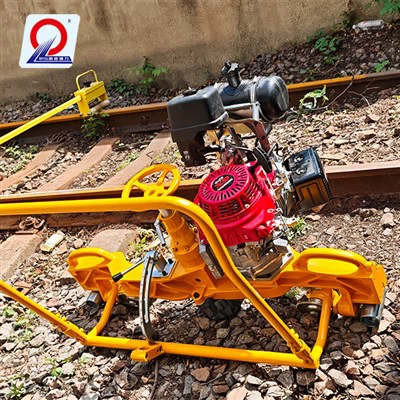
Storing a rail tamping machine properly when it is not in use is crucial for maintaining its performance, extending its lifespan, and ensuring safety. As a reputable rail tamping machine supplier, we understand the significance of correct storage practices. In this blog, we will provide you with comprehensive guidelines on how to store a rail tamping machine effectively.
1. Pre - storage Inspection and Maintenance
Before storing the rail tamping machine, a thorough inspection and maintenance routine should be carried out.
Cleaning
The first step is to clean the machine. Remove all the dirt, debris, and ballast particles that have accumulated on the machine during its operation. Use high - pressure water hoses and appropriate cleaning agents to clean the exterior of the machine, including the tamping tools, frames, and hydraulic systems. Make sure to clean hard - to - reach areas such as the gaps between the tamping rods and the joints of the machine.
Cleaning is not only about aesthetics but also helps in preventing corrosion. Dirt and debris can trap moisture, which accelerates the corrosion process. By ensuring a clean machine, you are protecting the metal components and other parts from rust and degradation.
Lubrication
Check the lubrication levels of all moving parts. The tamping rods, gears, and hydraulic cylinders need proper lubrication to prevent wear and tear during storage. Use the manufacturer - recommended lubricants and apply them to the specified parts. Over - lubrication should be avoided as it can attract dust and dirt, which may cause damage in the long run.
Tightening of Bolts and Nuts
Inspect all the bolts and nuts on the machine and tighten them if necessary. Loose bolts can cause vibrations during storage, which may lead to misalignment of parts and mechanical failures when the machine is put back into use. Use appropriate tools to ensure that all fasteners are secure.
Fluid Checks
Check the levels and quality of all fluids, including hydraulic fluid, engine oil, and coolant. Hydraulic fluid is essential for the operation of the tamping mechanism, and low levels or contaminated fluid can lead to malfunction. Replace any fluids that are dirty or below the recommended levels.
2. Selection of Storage Location
The choice of storage location plays a vital role in the preservation of the rail tamping machine.
Indoor Storage
If possible, store the rail tamping machine indoors. A climate - controlled warehouse is an ideal option. Indoor storage protects the machine from harsh weather conditions such as rain, snow, and extreme temperatures. It also reduces the risk of theft and vandalism.
In a climate - controlled environment, the temperature and humidity can be maintained at optimal levels. High humidity can cause corrosion, while extreme heat or cold can affect the performance of the hydraulic and electrical components. Therefore, keeping the storage area within a stable temperature and humidity range is beneficial for the machine.
Outdoor Storage
In cases where indoor storage is not available, outdoor storage can be considered. However, extra precautions must be taken. Choose a well - drained area to prevent water from pooling around the machine. The storage site should be elevated to ensure good drainage.
Cover the machine with a high - quality, weather - resistant tarp. The tarp should be large enough to cover the entire machine and tightly secured to prevent it from being blown off by the wind. Make sure there are no gaps in the tarp where water or debris can enter.


3. Disassembly and Protection
Some parts of the rail tamping machine may require disassembly for better storage.
Tamping Tools
The tamping tools are one of the most critical components of the machine. They can be removed and stored separately. Wrap them in protective materials such as foam or rubber to prevent scratches and damage. Store the tamping tools in a dry, clean area, preferably in a dedicated storage rack. This not only protects the tools but also makes them easier to access and reinstall when the machine is needed again.
Battery
If the rail tamping machine is battery - powered, remove the battery. Batteries can self - discharge over time, and storing them separately helps in preventing damage caused by over - discharging. Store the battery in a cool, dry place and charge it periodically to maintain its charge level. Check the battery terminals for corrosion and clean them if necessary.
Electrical Components
Protect the electrical components of the machine. Cover the electrical connectors with plastic caps to prevent moisture and dirt from entering. Electrical components are sensitive to environmental factors, and proper protection can prevent short circuits and malfunctions.
4. Monitoring during Storage
Even during storage, the rail tamping machine requires monitoring.
Regular Inspections
Set up a regular inspection schedule. Inspect the machine at least once a month if it is stored indoors and more frequently if it is stored outdoors. Check for signs of corrosion, damage, or any other issues. Look for any leaks in the hydraulic system, damage to the tamping tools, or loose parts. If any problems are detected, take immediate action to address them.
Climate Monitoring
If the machine is stored indoors, monitor the temperature and humidity levels of the storage area. Use a hygrometer and a thermometer to keep track of these parameters. If the climate conditions exceed the recommended ranges, take appropriate measures such as adjusting the heating or cooling systems or using dehumidifiers.
5. Recommissioning
When it is time to put the rail tamping machine back into use, a proper recommissioning process should be followed.
Fluid Checks and Refills
Check the levels of all fluids again and refill them if necessary. The hydraulic fluid, engine oil, and coolant may have decreased slightly during storage, and ensuring the correct fluid levels is essential for the proper functioning of the machine.
Lubrication Review
Re - lubricate all the moving parts as per the manufacturer's instructions. Lubrication may have dried up or been contaminated during storage, so fresh lubrication is required.
Functional Testing
Conduct a comprehensive functional test of the machine. Operate the tamping mechanism, check the hydraulic system for proper operation, and test the electrical components. Make sure all the safety features are working correctly. If any issues are found during the testing, repair them before using the machine on the railway tracks.
As a leading supplier of Railway Track Maintenance Equipment, we offer a wide range of Ballast Tamper Machine and Train Track Maintenance Vehicle. If you are in the market for high - quality rail tamping machines or need more information on their storage and maintenance, we encourage you to contact us for procurement and further discussion.
References
- Railway Maintenance Handbook, published by a leading railway industry association.
- Manufacturer's manuals for various rail tamping machines.