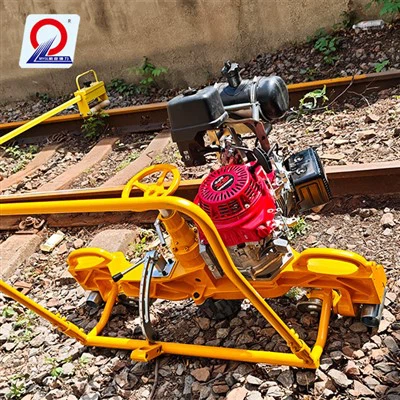
The track drainage system is a critical component of railway infrastructure, playing a pivotal role in maintaining the stability and safety of the tracks. Water accumulation on railway tracks can lead to a variety of problems, including soil erosion, track settlement, and corrosion of track components. A track tamper machine, as an essential piece of equipment in railway maintenance, has a significant impact on the track's drainage system. In this blog, we, as a track tamper machine supplier, will explore how a track tamper machine affects the track's drainage system.
Understanding the Track Drainage System
Before delving into the impact of track tamper machines, it's important to understand the basic structure and function of the track drainage system. The track drainage system mainly consists of ballast, sub - ballast, and underlying soil layers. The ballast, typically made of crushed stones, provides support for the tracks and helps in draining water. Water that falls on the tracks percolates through the ballast layer, then through the sub - ballast layer, and finally into the underlying soil.
Proper drainage is crucial for the long - term performance of the railway tracks. Excessive water can soften the sub - grade, reduce the load - bearing capacity of the tracks, and increase the risk of derailment. Therefore, maintaining the integrity of the drainage system is a top priority in railway maintenance.
The Role of Track Tamper Machines in Track Maintenance
Track tamper machines are used to pack the ballast under the sleepers (ties) to ensure proper track alignment and stability. These machines work by inserting tamping tools into the ballast and vibrating them to re - arrange the ballast particles. This process helps to achieve a more uniform distribution of the ballast, which in turn improves the support for the sleepers and the tracks.
There are different types of track tamper machines available in the market, such as the Railroad Ballast Tamper and the Railway Ballast Tamping Machine. These machines can be used for both mainline and siding tracks, and they come in various sizes and configurations to meet different maintenance requirements.
How Track Tamper Machines Impact the Track's Drainage System
Positive Impacts
- Improving Ballast Permeability
When a track tamper machine operates, it re - arranges the ballast particles. By vibrating and compacting the ballast, the machine can create a more porous ballast structure. This increased porosity allows water to flow more freely through the ballast layer. As the ballast particles are re - oriented, larger voids are formed, which act as channels for water drainage. For example, in a well - tamped ballast bed, water can quickly percolate down to the sub - ballast layer, reducing the amount of water that accumulates on the surface of the tracks. - Enhancing Track Alignment and Cross - Fall
Proper track alignment and cross - fall are essential for effective drainage. A track tamper machine can adjust the height and position of the sleepers to ensure that the tracks have the correct cross - fall. Cross - fall refers to the slope of the track surface from the center to the edges. A well - maintained cross - fall allows water to run off the tracks towards the side ditches. The machine can also correct any unevenness in the track alignment, which may impede water flow. For instance, if there are low spots on the tracks, water can pool in these areas. The tamper machine can lift the sleepers in these low spots to restore the proper cross - fall and alignment. - Clearing Blocked Drainage Paths
Over time, the ballast layer can become clogged with dirt, debris, and fine particles. These blockages can reduce the permeability of the ballast and impede water drainage. A track tamper machine can help to clear these blockages. As the tamping tools move through the ballast, they can dislodge the accumulated dirt and debris, allowing water to flow more easily. In addition, the vibration of the machine can shake loose any fine particles that may be filling the voids in the ballast.
Negative Impacts (if not Properly Operated)
- Over - Compaction
If a track tamper machine is operated with excessive force or for too long in one area, it can lead to over - compaction of the ballast. Over - compaction reduces the porosity of the ballast, making it difficult for water to drain. When the ballast is over - compacted, the voids between the particles are reduced, and the ballast becomes more like a solid mass. This can result in water pooling on the tracks, increasing the risk of track damage and safety hazards. - Disturbing the Sub - ballast and Sub - grade
During the tamping process, if the tamper machine is not properly calibrated, it can cause excessive disturbance to the sub - ballast and sub - grade layers. This disturbance can disrupt the natural drainage paths in these layers. For example, if the sub - ballast layer is displaced, it may no longer provide a smooth transition for water to flow from the ballast to the underlying soil. This can lead to waterlogging and reduced drainage efficiency.
Mitigating Negative Impacts
To ensure that the track tamper machine has a positive impact on the track's drainage system, proper operation and maintenance are essential.
- Operator Training
Operators should be well - trained on the correct use of the track tamper machine. They need to understand the principles of ballast compaction and how different operating parameters can affect the drainage system. For example, they should know the appropriate vibration frequency, tamping force, and tamping time to avoid over - compaction. - Regular Maintenance and Inspection
The track tamper machine itself should be regularly maintained to ensure its proper functioning. In addition, the tracks should be inspected after tamping to check for any signs of over - compaction or disturbance to the sub - ballast and sub - grade. If any issues are detected, corrective measures can be taken immediately.
The Importance of Choosing the Right Track Tamper Machine
As a track tamper machine supplier, we understand that choosing the right machine is crucial for maintaining the track's drainage system. Different types of tracks and ballast conditions require different types of tamper machines. For light - traffic siding tracks, a Lightweight Railway Track Compactor may be sufficient. This machine is more portable and can be easily maneuvered in tight spaces.
On the other hand, for high - speed mainline tracks, a more powerful and sophisticated track tamper machine is needed. These machines are designed to handle large - scale tamping operations and can ensure precise track alignment and ballast compaction.


Conclusion
In conclusion, a track tamper machine can have a significant impact on the track's drainage system. When properly operated, it can improve ballast permeability, enhance track alignment and cross - fall, and clear blocked drainage paths. However, if not operated correctly, it can lead to over - compaction and disturbance of the sub - ballast and sub - grade. As a track tamper machine supplier, we are committed to providing high - quality machines and ensuring that our customers have the knowledge and resources to use them effectively.
If you are in the railway maintenance industry and are looking for a reliable track tamper machine to improve your track's drainage system and overall performance, we invite you to contact us for more information. Our team of experts can help you choose the right machine for your specific needs and provide you with comprehensive after - sales support.
References
- Selig, E. T., & Waters, J. M. (1994). Track Geotechnology and Subgrade Management. Transportation Research Board.
- Grassie, S. L., & Kalousek, A. (1997). Railway Track Technology and Mechanics. Thomas Telford.