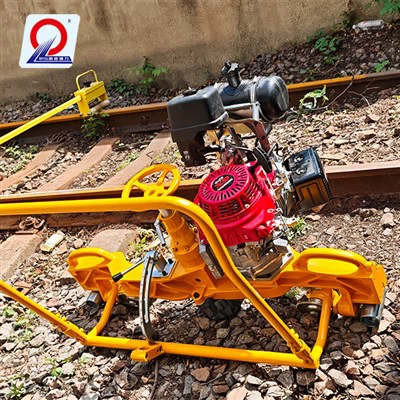
In the domain of railway maintenance, rail wrenches play a crucial and irreplaceable role. They are essential tools for ensuring the safety and stability of railway tracks. As a supplier of rail wrenches, I have witnessed and interacted deeply with both domestic and imported rail wrenches. This has given me a comprehensive understanding of their differences, which I am eager to share.
1. Design and Manufacturing Standards
One of the most significant differences between domestic and imported rail wrenches lies in their design and manufacturing standards. Imported rail wrenches often adhere to international standards that are highly rigorous and uniform. For instance, European - made rail wrenches usually follow the EN standards, which set detailed specifications for aspects such as the material quality, torque accuracy, and safety features. These standards are established through a long - term process of research and testing, aiming to ensure that the tools can operate effectively in various complex railway environments around the world.
On the other hand, domestic rail wrenches are designed and manufactured according to national standards, which are also constantly evolving. In recent years, with the rapid development of the domestic railway industry, domestic standards have become increasingly in line with international ones. However, there may still be some minor differences. For example, domestic standards may take into account more of the specific geographical and operating conditions in the country, such as different climate zones and track layouts.
2. Material Quality
The quality of materials used in rail wrenches has a direct impact on their performance and durability. Imported rail wrenches often use high - grade alloys and special steels, which are sourced from well - known international suppliers. These materials are known for their excellent strength, toughness, and corrosion resistance. For example, some imported rail wrenches use high - carbon alloy steels that can withstand high torque forces without deformation, ensuring long - term and stable operation.
Domestic rail wrenches have also made great progress in material selection. Many domestic suppliers have established long - term partnerships with high - quality domestic steel mills. They use domestic high - performance steels that can meet the basic requirements of railway maintenance. Although the overall quality of domestic materials is approaching that of imported ones, there may still be some gaps in terms of the consistency of material performance, which can sometimes lead to slight differences in the service life of the wrenches.
3. Technological Innovation
Imported rail wrenches are often at the forefront of technological innovation. They are equipped with advanced technologies such as intelligent control systems, precision sensors, and ergonomic designs. For example, some imported hydraulic impact wrenches for railroads are equipped with sensors that can accurately measure the torque applied during operation. This not only ensures the proper tightening of rail bolts but also helps to prevent over - tightening or under - tightening, which can pose safety risks.
Domestic rail wrenches are also actively promoting technological innovation. In recent years, many domestic manufacturers have introduced advanced production equipment and R & D concepts, and have developed a series of innovative products. For example, some domestic rail bolt wrenches use new - type power - transmission mechanisms, which can improve the efficiency and stability of the tools. However, in general, imported products may still have an edge in terms of the overall innovation level and the application of high - end technologies.
4. Price
Price is an important factor that many customers consider when choosing rail wrenches. Imported rail wrenches usually come with a relatively high price tag. This is mainly because they often have high R & D costs, strict manufacturing processes, and relatively high import tariffs and transportation costs. For some small - scale railway maintenance projects or customers with tight budgets, the high price of imported products may be a significant barrier.


Domestic rail wrenches, on the other hand, offer a more cost - effective option. Thanks to the relatively lower production costs and the domestic market competition, domestic products can usually provide comparable performance at a much lower price. This makes domestic rail wrenches a popular choice for many domestic railway maintenance projects.
5. After - sales Service
After - sales service is crucial for ensuring the normal use of rail wrenches. Imported products may face some challenges in terms of after - sales service. Due to the long distance between the manufacturer and the customer, the response time for solving problems may be relatively long. Spare parts supply may also be affected by transportation and customs procedures, which can lead to longer downtime when the product needs repair.
Domestic rail wrench suppliers have a significant advantage in after - sales service. They can usually provide faster response times, more convenient on - site service, and a more stable supply of spare parts. In addition, domestic suppliers can better understand the specific needs and problems of domestic customers, and can provide more targeted solutions.
Conclusion
In conclusion, both domestic and imported rail wrenches have their own characteristics and advantages. Imported rail wrenches excel in terms of design standards, material quality, and technological innovation, but they come with a higher price and potential after - sales service challenges. Domestic rail wrenches offer a more cost - effective option, with increasingly improving quality and excellent after - sales service.
As a rail wrench supplier, I believe that customers should make a comprehensive consideration based on their specific needs, project budgets, and usage scenarios when choosing between domestic and imported products. Whether you are looking for a high - end, technologically advanced Rail Bolt Wrench, a powerful Hydraulic Impact Wrench Railroad, or a practical Wrench Rails, we can provide you with professional advice and high - quality products.
If you are interested in our rail wrenches or have any questions about the product selection, please feel free to contact us. We are looking forward to having in - depth discussions with you and establishing long - term cooperative relationships.
References
- Railway Maintenance Equipment Handbook.
- International Standards for Rail - related Tools.
- Reports on Domestic and Imported Rail Wrench Market.