Ensuring the accuracy of tamping in railway track realignment is a critical aspect of railway maintenance and construction. As a leading supplier in the field of tamping in railway, we understand the significance of precision tamping for the safety, stability, and longevity of railway tracks. In this blog, we will delve into the various methods and technologies we employ to guarantee the accuracy of tamping during railway track realignment.
Understanding the Importance of Accurate Tamping
Before we explore the techniques for ensuring accurate tamping, it is essential to understand why it is so crucial. Railway tracks are subjected to significant stress and wear due to the constant movement of trains. Over time, the ballast, which provides support and stability to the tracks, can become compacted and uneven. This can lead to track irregularities, such as uneven track levels, gauge variations, and alignment issues. These irregularities not only affect the ride quality for passengers but also pose a serious safety risk.


Accurate tamping helps to restore the proper alignment and level of the tracks by compacting the ballast beneath the sleepers. This ensures that the tracks are evenly supported, reducing the risk of derailments and improving the overall performance of the railway system. Additionally, proper tamping can extend the lifespan of the tracks, reducing maintenance costs in the long run.
Advanced Tamping Machines
One of the key factors in ensuring accurate tamping is the use of advanced tamping machines. At our company, we offer a wide range of Ballast Tamper Machine designed to meet the specific needs of different railway projects. These machines are equipped with state-of-the-art technology and features that enable precise tamping operations.
For example, our ballast tamper machines are equipped with automated control systems that can adjust the tamping force and depth based on the specific requirements of the track. This ensures that the ballast is compacted to the correct density, providing optimal support for the tracks. Additionally, these machines are equipped with sensors that can detect the track geometry and alignment in real-time, allowing for immediate adjustments to be made during the tamping process.
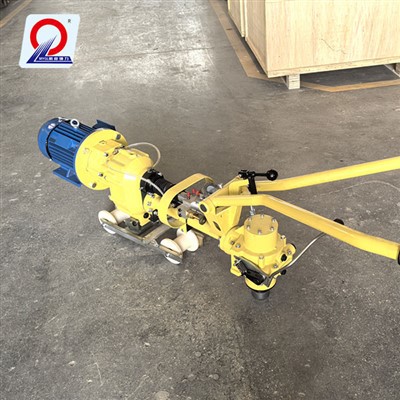
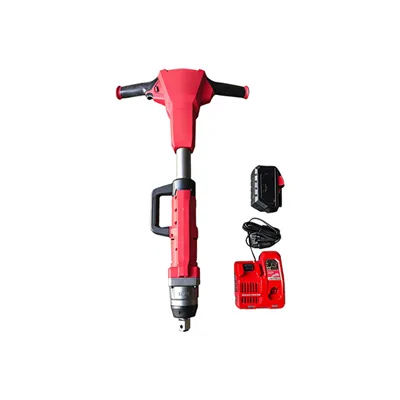
In addition to ballast tamper machines, we also offer Rail Tamper and Handheld Tamping Machine for smaller-scale projects or areas that are difficult to access. These machines are lightweight and easy to operate, making them ideal for use in tight spaces or on tracks with limited clearance.
Precision Measurement and Monitoring
Another important aspect of ensuring accurate tamping is the use of precision measurement and monitoring techniques. Before the tamping process begins, we conduct a detailed survey of the track to determine its current condition and alignment. This involves using advanced surveying equipment, such as total stations and GPS systems, to measure the track geometry and elevation.
Based on the survey results, we develop a detailed tamping plan that specifies the tamping locations, depths, and forces required to achieve the desired track alignment. During the tamping process, we use real-time monitoring systems to track the progress of the tamping operations and ensure that they are being carried out in accordance with the tamping plan.
These monitoring systems can detect any deviations from the planned tamping parameters and alert the operators to make immediate adjustments. This helps to ensure that the tamping is accurate and consistent, reducing the risk of track irregularities and improving the overall quality of the track realignment.
Trained and Experienced Operators
In addition to advanced tamping machines and precision measurement techniques, the accuracy of tamping also depends on the skills and experience of the operators. At our company, we invest heavily in training and development programs to ensure that our operators are highly skilled and knowledgeable in the latest tamping techniques and technologies.
Our operators undergo rigorous training programs that cover everything from the operation of the tamping machines to the interpretation of the survey data. They are also required to pass regular certification exams to demonstrate their proficiency in tamping operations.
By having a team of trained and experienced operators, we can ensure that the tamping is carried out with the highest level of accuracy and precision. Our operators are able to make informed decisions based on the specific conditions of the track and adjust the tamping parameters as needed to achieve the best possible results.
Quality Control and Assurance
Finally, we have a comprehensive quality control and assurance program in place to ensure that the tamping operations meet the highest standards of quality and accuracy. This program includes regular inspections and testing of the tamping machines, as well as the track alignment and geometry after the tamping process is completed.
We also conduct post-tamping surveys to verify that the track has been realigned to the desired specifications. If any issues are identified, we take immediate corrective action to ensure that the track is safe and reliable.
By implementing a strict quality control and assurance program, we can provide our customers with the confidence that the tamping operations will be carried out with the highest level of accuracy and precision. This helps to ensure the long-term performance and safety of the railway tracks.
Conclusion
Ensuring the accuracy of tamping in railway track realignment is a complex and challenging task that requires a combination of advanced technology, precision measurement, trained operators, and strict quality control. At our company, we are committed to providing our customers with the highest quality tamping solutions that meet their specific needs and requirements.
If you are in need of tamping services for your railway project, we invite you to contact us to discuss your requirements. Our team of experts will be happy to provide you with a detailed quote and answer any questions you may have. We look forward to working with you to ensure the accuracy and reliability of your railway tracks.
References
- [Insert relevant academic papers, industry standards, or technical manuals here]