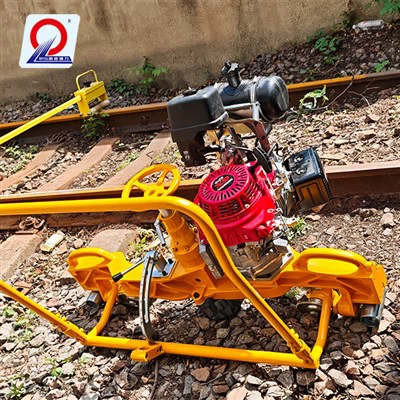
Hey there! As a supplier of Track Lifters, I often get asked about the noise level of our electric Track Lifters. It's a crucial factor, especially when you're working in areas where noise pollution is a concern, like near residential areas or in noise - restricted work zones. So, let's dig into what the noise level of an electric Track Lifter is all about.
First off, what exactly is a Track Lifter? Well, a Track Lifter is a key piece of equipment in railway maintenance. It's used to lift railroad tracks for various tasks such as track replacement, repair, or alignment. There are different types of Track Lifters out there, but today we're focusing on the electric ones.
Electric Track Lifters have gained popularity in recent years, and one of the reasons is their relatively lower noise level compared to their hydraulic or diesel - powered counterparts. Hydraulic Track Lifters often rely on pumps and fluid flow, which can create a fair amount of noise, especially when the pressure is high. Diesel - powered ones, on the other hand, have noisy engines that can be quite a nuisance in quiet areas.
The noise level of an electric Track Lifter mainly comes from two sources: the motor and the mechanical movement of the lifting mechanism. The motor is the heart of the electric Track Lifter, and it generates some noise as it rotates and powers the machine. However, modern electric motors are designed to be much quieter than older models. They use advanced insulation materials and better - balanced rotors to reduce vibrations, which in turn cuts down on noise.


The mechanical movement of the lifting mechanism also contributes to the noise. When the lifter engages with the track and starts to lift it, there are gears, chains, and other moving parts that can make some noise. But manufacturers have been working hard to minimize this. They use high - quality materials for the moving parts, and they also design the mechanisms to operate as smoothly as possible.
On average, the noise level of an electric Track Lifter typically ranges from 60 to 80 decibels (dB). To put that into perspective, normal conversation is around 60 dB, and a vacuum cleaner operates at about 70 dB. So, an electric Track Lifter is generally as noisy as common household appliances. This is a huge advantage in many work scenarios.
In railway maintenance work near residential areas, the low noise level of electric Track Lifters is a game - changer. It allows crews to work during more hours of the day without disturbing the local residents. For example, in a small town where the railway passes through the center, using a noisy diesel - powered Track Lifter would likely cause complaints from the people living nearby. But with an electric one, the work can be done more quietly and efficiently.
Another benefit of the low noise level is in indoor railway maintenance facilities. These places often have limited space and poor sound insulation. A noisy machine can make the working environment unpleasant for the workers and may even cause long - term hearing problems. Electric Track Lifters, with their lower noise output, create a more comfortable and safer working environment.
Now, let's talk about how we, as a Track Lifter supplier, ensure the low noise level of our products. We work closely with motor manufacturers to source the quietest and most efficient motors available. We also conduct extensive testing on our Track Lifters during the development process. We measure the noise levels at different operating conditions, such as when the lifter is starting up, lifting a light load, and lifting a heavy load.
Based on the test results, we make adjustments to the design. For example, if we find that a certain part of the lifting mechanism is creating more noise than expected, we might change the material or the shape of that part to reduce the noise. We also use vibration - damping materials in the construction of the Track Lifter to absorb the vibrations that cause noise.
In addition to the low noise level, our electric Track Lifters have other great features. They are more energy - efficient than diesel - powered ones, which means lower operating costs in the long run. They also produce zero emissions, which is better for the environment. And they are generally easier to maintain, with fewer moving parts and no need for fuel or oil changes.
If you're in the market for a Railroad Track Lifter, you might also be interested in our Hydraulic Rail Bender. It's another essential piece of railway maintenance equipment. It can bend rails to the required curvature for track construction and repair. Just like our Track Lifters, our Hydraulic Rail Benders are designed with quality and performance in mind.
If you're thinking about purchasing a Track Lifter or any other railway maintenance equipment, we'd love to have a chat with you. Whether you have questions about the noise level, the features, or the pricing, our team of experts is here to help. We can provide you with detailed product information and even arrange a demo so you can see the equipment in action.
In conclusion, the noise level of an electric Track Lifter is an important factor that offers many benefits in railway maintenance work. With modern technology, these machines can operate quietly while still delivering excellent performance. If you're looking for a reliable and quiet Track Lifter, don't hesitate to get in touch with us. We're confident that our products will meet your needs and exceed your expectations.
References
- Industry reports on railway maintenance equipment noise levels
- Manufacturer specifications for electric Track Lifters