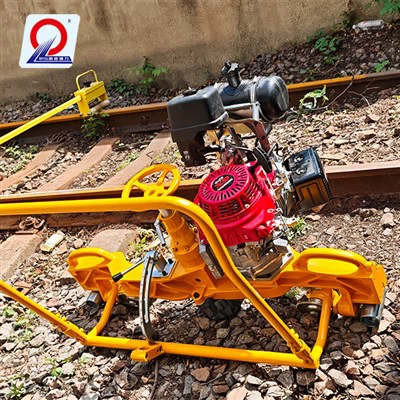
High - wind conditions pose unique challenges to railway tamping operations. As a supplier in the field of railway tamping, I've witnessed firsthand how these conditions can impact the effectiveness and safety of tamping work. In this blog, I will delve into the mechanisms of tamping in high - wind areas, the challenges faced, and how our products can offer solutions.
Understanding the Basics of Railway Tamping
Before discussing high - wind conditions, it's essential to understand what railway tamping is. Tamping is a crucial maintenance activity for railways. It involves compacting the ballast beneath the railway tracks to provide a stable foundation for the rails. When the ballast is properly tamped, it can better distribute the load from passing trains, reducing track settlement and ensuring a smooth and safe ride for passengers and freight.
Our company offers a range of tamping machines, including the Train Track Maintenance Vehicle, YCD - 2 Hydraulic Rail Switch Tamping Machine, and Railroad Ballast Tamper. These machines are designed to perform tamping tasks efficiently under various conditions.
Challenges of Tamping in High - Wind Conditions
Ballast Displacement
One of the most significant challenges in high - wind areas is ballast displacement. Strong winds can blow the loose ballast away from the tamping area. When the ballast is displaced, it becomes difficult to achieve the desired compaction. The tamping machine may be working on an uneven or insufficient amount of ballast, which can lead to poor track stability. For example, if a large portion of the ballast is blown off the shoulder of the track, the tamping process may not be able to provide adequate support to the rails, increasing the risk of track buckling or derailment.
Machine Stability
High winds can also affect the stability of the tamping machines. These machines are often large and heavy, but strong gusts can still cause them to sway or even tip over in extreme cases. The dynamic forces exerted by the wind can interfere with the precise movement of the tamping tools, making it challenging to achieve accurate tamping. Moreover, the wind can create additional resistance for the machine's movement, reducing its operational efficiency.
Operator Safety
The safety of the operators is a top priority. High - wind conditions can make the working environment extremely hazardous. The wind can carry dust and debris, which can cause eye and respiratory problems for the operators. In addition, the reduced visibility due to blowing dust can make it difficult for operators to monitor the tamping process and the surrounding environment, increasing the risk of accidents.
How Tamping Works in High - Wind Areas
Pre - Tamping Preparations
To mitigate the challenges of high - wind conditions, proper pre - tamping preparations are crucial. First, we need to assess the wind speed and direction. This information can help us determine the best time to conduct tamping operations. For example, if the wind is expected to be calmer during a certain period of the day, we can schedule the tamping work accordingly.
We also need to secure the ballast. One way to do this is by using ballast stabilizers. These are chemical agents that can be sprayed on the ballast to increase its cohesion. By binding the ballast particles together, the stabilizers can reduce the risk of ballast displacement caused by the wind. Additionally, we can install windbreaks along the track. These can be made of materials such as fences or vegetation, which can block the wind and create a more sheltered environment for tamping.
Tamping Machine Adjustments
Our tamping machines are designed with features that can adapt to high - wind conditions. For example, they are equipped with advanced stabilization systems. These systems use sensors to detect the movement of the machine caused by the wind and adjust the hydraulic supports accordingly to maintain stability.
The tamping tools can also be adjusted. In high - wind areas, we may need to increase the force applied by the tamping tools to ensure proper compaction despite the ballast displacement. Our machines allow for easy adjustment of the tamping force, so operators can optimize the tamping process based on the actual conditions.
Monitoring and Quality Control
During the tamping process, continuous monitoring is essential. We use a variety of monitoring tools, such as laser levels and track geometry measurement systems. These tools can provide real - time data on the track's alignment and the compaction quality of the ballast. If the data indicates that the tamping is not meeting the required standards, we can make immediate adjustments to the machine settings or the tamping process.
Our Solutions as a Tamping Supplier
As a leading supplier of railway tamping equipment, we are committed to providing solutions that can effectively address the challenges of tamping in high - wind areas. Our machines are built with high - quality materials and advanced technology to ensure reliability and performance.


We offer comprehensive training programs for operators. These programs cover not only the basic operation of the tamping machines but also how to deal with special conditions such as high - wind situations. By training our operators to be well - prepared, we can improve the safety and efficiency of tamping operations.
In addition, we provide after - sales support. Our technical team is available 24/7 to assist with any problems that may arise during the tamping process. Whether it's a mechanical issue or a question about operating in high - wind conditions, our team can provide timely and effective solutions.
Conclusion
Tamping in high - wind conditions is a complex task that requires careful planning, proper equipment, and skilled operators. At our company, we understand the unique challenges faced in these areas and have developed a range of solutions to overcome them. Our Train Track Maintenance Vehicle, YCD - 2 Hydraulic Rail Switch Tamping Machine, and Railroad Ballast Tamper are designed to provide reliable and efficient tamping solutions even in the most challenging high - wind environments.
If you are in the railway industry and are looking for high - quality tamping equipment that can perform well in high - wind conditions, we invite you to contact us for a detailed discussion. Our team of experts is ready to assist you in finding the best solutions for your specific needs.
References
- "Railway Track Maintenance: Principles and Practice" by John B. Cole
- "High - Wind Effects on Infrastructure and Transportation Systems" by various authors in the Journal of Civil Engineering Research