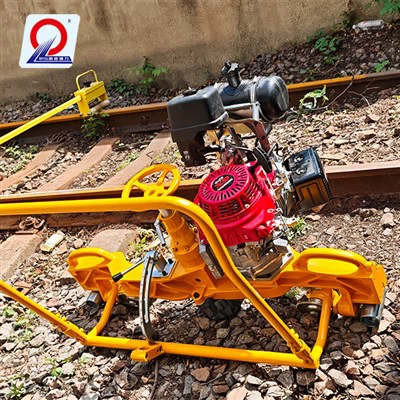
As a leading supplier of railway cutters, I'm often asked about how these remarkable machines work. In this blog post, I'll take you through the inner workings of a railway cutter, shedding light on the technology and processes that make them indispensable in the railway maintenance industry.
The Basics of a Railway Cutter
A railway cutter, also known as a Railway Track Cutting Machine, is a specialized piece of equipment designed to cut through railway tracks with precision and efficiency. These machines are used in a variety of applications, including track installation, maintenance, and repair.
The primary function of a railway cutter is to sever railway tracks cleanly and accurately. This is crucial for ensuring the safety and integrity of the railway system. Whether it's replacing a damaged section of track or adjusting the length of a rail during installation, a reliable railway cutter is essential.
Key Components of a Railway Cutter
To understand how a railway cutter works, it's important to familiarize yourself with its key components. Here are the main parts you'll find in most railway cutters:
Cutting Blade
The cutting blade is the heart of the railway cutter. It is typically made of high-quality materials, such as tungsten carbide or diamond, to withstand the high pressures and temperatures generated during the cutting process. The blade's design and tooth configuration are optimized for cutting through different types of railway tracks, including steel and concrete.
Motor
The motor provides the power needed to drive the cutting blade. Depending on the type of railway cutter, the motor can be electric, hydraulic, or gasoline-powered. Electric motors are commonly used in indoor or noise-sensitive environments, while hydraulic and gasoline motors are preferred for outdoor applications where portability and high power are required.
Frame and Base
The frame and base of the railway cutter provide stability and support during the cutting process. They are usually made of heavy-duty steel or aluminum to ensure durability and resistance to vibration. The frame also houses the motor, cutting blade, and other components, and it is designed to be easily maneuverable and adjustable.
Cooling System
Cutting through railway tracks generates a significant amount of heat, which can damage the cutting blade and reduce its lifespan. To prevent this, most railway cutters are equipped with a cooling system. This system circulates water or coolant around the cutting blade to dissipate heat and keep the blade at a safe operating temperature.
Control Panel
The control panel allows the operator to control the speed, direction, and other functions of the railway cutter. It typically includes buttons, switches, and gauges that provide real-time information about the machine's performance. The control panel is designed to be user-friendly and intuitive, making it easy for operators to operate the railway cutter safely and efficiently.
How a Railway Cutter Works
Now that you're familiar with the key components of a railway cutter, let's take a closer look at how it works. The cutting process can be divided into several steps:
Preparation
Before starting the cutting process, the operator must ensure that the railway cutter is properly set up and ready to use. This includes checking the cutting blade for damage or wear, filling the cooling system with water or coolant, and connecting the power source. The operator also needs to position the railway cutter accurately on the track and secure it in place to prevent movement during the cutting process.
Alignment
Once the railway cutter is set up, the operator needs to align the cutting blade with the track. This is typically done using a laser or optical alignment system, which ensures that the blade is positioned precisely where the cut needs to be made. The operator may also need to adjust the height and angle of the cutting blade to achieve the desired cutting depth and angle.
Cutting
Once the cutting blade is aligned, the operator can start the motor and engage the cutting blade. As the blade rotates, it cuts through the railway track, creating a clean and precise cut. The operator needs to control the speed and feed rate of the cutting blade to ensure a smooth and efficient cutting process. Depending on the type of railway track and the thickness of the material, the cutting process can take anywhere from a few seconds to several minutes.
Cooling and Lubrication
During the cutting process, the cooling system circulates water or coolant around the cutting blade to dissipate heat and keep the blade at a safe operating temperature. This helps to prevent the blade from overheating and prolongs its lifespan. In addition, some railway cutters are also equipped with a lubrication system, which applies a thin layer of lubricant to the cutting blade to reduce friction and improve cutting performance.
Finishing
Once the cutting process is complete, the operator needs to stop the motor and disengage the cutting blade. The operator then needs to clean the cutting blade and the railway cutter to remove any debris or coolant. Finally, the operator can inspect the cut to ensure that it meets the required specifications and quality standards.
Types of Railway Cutters
There are several types of railway cutters available on the market, each designed for specific applications and requirements. Here are the main types of railway cutters you'll encounter:
Handheld Railway Cutters
Handheld railway cutters are lightweight and portable, making them ideal for small-scale cutting jobs and hard-to-reach areas. They are typically powered by electric or battery-operated motors and are easy to operate. Handheld railway cutters are commonly used for cutting through small sections of railway tracks, such as switches and crossings.
Stationary Railway Cutters
Stationary railway cutters are larger and more powerful than handheld cutters, and they are designed for heavy-duty cutting jobs. They are usually installed on a fixed base or platform and are powered by electric, hydraulic, or gasoline motors. Stationary railway cutters are commonly used in railway maintenance yards, workshops, and manufacturing facilities.
Portable Railway Cutters
Portable railway cutters are a hybrid between handheld and stationary cutters. They are designed to be easily transported and set up on-site, making them ideal for large-scale cutting jobs and outdoor applications. Portable railway cutters are typically powered by hydraulic or gasoline motors and are equipped with wheels or tracks for easy maneuverability.
Benefits of Using a Railway Cutter
Using a railway cutter offers several benefits over traditional cutting methods, such as sawing or grinding. Here are some of the main advantages of using a railway cutter:
Precision and Accuracy
Railway cutters are designed to cut through railway tracks with precision and accuracy. They can make clean, straight cuts with minimal burrs or deformation, ensuring a perfect fit and alignment. This is especially important for railway tracks, where even a small deviation can affect the safety and performance of the railway system.
Efficiency and Productivity
Railway cutters are much faster and more efficient than traditional cutting methods. They can cut through railway tracks in a fraction of the time it would take to saw or grind them, reducing downtime and increasing productivity. This is particularly beneficial for railway maintenance crews, who need to complete their work quickly and efficiently to minimize disruptions to train services.


Safety
Railway cutters are designed with safety in mind. They are equipped with features such as guards, shields, and emergency stop buttons to protect the operator from injury. In addition, the cutting process is automated, reducing the risk of human error and ensuring a consistent and safe cutting operation.
Versatility
Railway cutters can be used to cut through different types of railway tracks, including steel, concrete, and composite materials. They can also be used to make different types of cuts, such as straight cuts, bevel cuts, and curved cuts. This makes them a versatile tool for railway maintenance and construction projects.
Conclusion
In conclusion, a railway cutter is a powerful and essential tool for the railway maintenance industry. It works by using a high-speed cutting blade to sever railway tracks cleanly and accurately, and it is equipped with a range of features and components to ensure precision, efficiency, and safety. Whether you're a railway maintenance crew, a construction company, or a railway operator, investing in a high-quality railway cutter can help you save time, money, and effort, while ensuring the safety and integrity of your railway system.
If you're interested in learning more about our Railway Cutting Machine or Rail Cutting Saw, or if you have any questions or inquiries, please don't hesitate to contact us. Our team of experts is always ready to assist you and provide you with the best solutions for your railway maintenance needs.
References
- Railway Track Maintenance Handbook, Second Edition, by John Andrews
- Handbook of Railway Engineering, by John Armstrong
- Railway Engineering, by S. K. Khanna and C. E. G. Justo