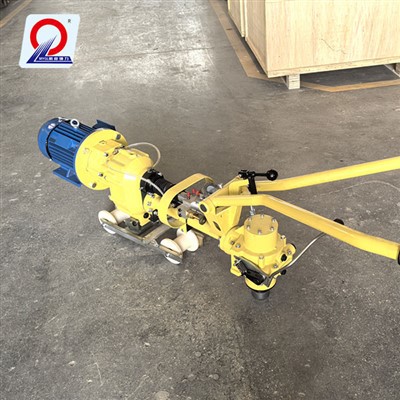
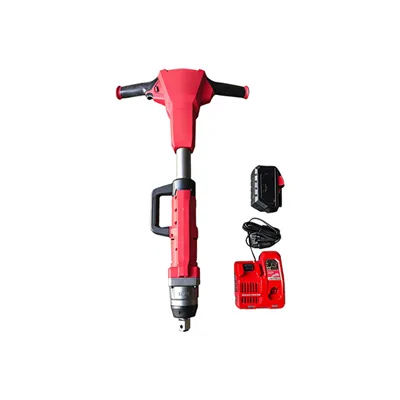
The operation of rail tamping machines is a critical aspect of railway maintenance, ensuring the stability and safety of railway tracks. As a leading supplier of rail tamping machines, I have witnessed firsthand the significant role these machines play in the railway industry. However, it is also essential to understand how these machines affect the surrounding environment. This blog post will explore the various ways in which a rail tamping machine can impact the environment and discuss potential mitigation strategies.
Noise Pollution
One of the most obvious environmental impacts of a rail tamping machine is noise pollution. These machines generate a substantial amount of noise during their operation, which can be a nuisance to nearby residents and wildlife. The noise is primarily produced by the tamping tools as they strike the ballast beneath the railway tracks, as well as by the machine's engine and other moving parts.
The intensity of the noise depends on several factors, including the type and size of the tamping machine, the operating speed, and the condition of the tamping tools. Larger machines with more powerful engines and heavier tamping tools tend to produce louder noise levels. Additionally, the noise can be amplified in areas with hard surfaces, such as concrete or asphalt, which reflect sound waves.


The impact of noise pollution on human health can be significant. Prolonged exposure to high noise levels can cause hearing loss, stress, sleep disturbances, and other health problems. It can also have a negative impact on the quality of life for nearby residents, reducing their enjoyment of their homes and outdoor spaces.
For wildlife, noise pollution can disrupt their natural behavior and communication patterns. Many animals rely on sound to navigate, find food, and attract mates. Excessive noise can interfere with these vital functions, leading to changes in their behavior, distribution, and population dynamics.
To mitigate the impact of noise pollution, several strategies can be employed. One approach is to use quieter tamping machines. Some manufacturers have developed innovative designs and technologies that reduce the noise levels produced by their machines. For example, using advanced damping materials and vibration isolation techniques can help to absorb and reduce the noise generated by the tamping tools and the machine's engine.
Another strategy is to implement noise control measures at the worksite. This can include using noise barriers, such as acoustic fences or walls, to block the transmission of sound waves. These barriers can be particularly effective in reducing the noise levels in areas close to the tamping machine. Additionally, scheduling tamping operations during periods when the noise is less likely to cause a disturbance, such as during the day when people are less likely to be sleeping, can also help to minimize the impact on nearby residents.
Vibration
In addition to noise pollution, rail tamping machines also generate vibrations during their operation. These vibrations can be transmitted through the ground to nearby structures, such as buildings, bridges, and pipelines. The intensity of the vibrations depends on several factors, including the type and size of the tamping machine, the operating speed, and the distance from the machine to the structure.
Excessive vibrations can cause damage to nearby structures, particularly those that are old or poorly constructed. The vibrations can cause cracks in the walls, floors, and foundations of buildings, leading to structural instability and potential safety hazards. They can also damage underground pipelines, causing leaks and other problems.
Similar to noise pollution, vibrations can also have an impact on human health. Prolonged exposure to high levels of vibrations can cause discomfort, fatigue, and other health problems. It can also affect the performance of sensitive equipment and machinery, such as precision instruments and electronic devices.
To reduce the impact of vibrations, several measures can be taken. One approach is to use vibration isolation techniques, such as rubber pads or springs, to absorb and dampen the vibrations generated by the tamping machine. These isolation devices can be installed between the machine and the ground or between the machine and the structure to reduce the transmission of vibrations.
Another strategy is to monitor the vibration levels during the tamping operation. By using vibration sensors and monitoring equipment, it is possible to detect and measure the vibrations in real-time. If the vibration levels exceed the acceptable limits, the operation can be adjusted or stopped to prevent damage to nearby structures.
Dust Emissions
During the tamping process, dust can be generated as the tamping tools break up and displace the ballast beneath the railway tracks. This dust can contain various pollutants, such as silica, which is a known carcinogen. Inhalation of dust particles can cause respiratory problems, such as coughing, wheezing, and shortness of breath, and long-term exposure can lead to more serious health conditions, such as silicosis.
The amount of dust emissions depends on several factors, including the type and condition of the ballast, the operating speed of the tamping machine, and the weather conditions. Dry and windy conditions can exacerbate the problem, as the dust is more likely to be carried by the wind and spread over a wider area.
To minimize dust emissions, several measures can be implemented. One approach is to use water sprays or misting systems at the worksite. These systems can help to suppress the dust by wetting the ballast and the surrounding area, preventing the dust from becoming airborne. Another strategy is to use dust collectors or filters on the tamping machine to capture the dust particles before they are released into the atmosphere.
Soil and Water Pollution
The operation of rail tamping machines can also have an impact on the soil and water quality in the surrounding environment. The tamping process can disrupt the soil structure, leading to soil erosion and sedimentation. This can have a negative impact on the fertility of the soil and the health of plants and animals that depend on it.
In addition, the use of lubricants and hydraulic fluids in the tamping machine can pose a risk of soil and water pollution. If these fluids are not properly managed and disposed of, they can leak into the soil and groundwater, contaminating the water supply and causing harm to the environment.
To prevent soil and water pollution, it is important to implement proper maintenance and management practices for the tamping machine. This includes regularly checking for leaks and spills, and promptly cleaning up any spills that occur. Additionally, using environmentally friendly lubricants and hydraulic fluids can help to reduce the impact on the environment.
Positive Environmental Impacts
While rail tamping machines can have some negative environmental impacts, they also play an important role in maintaining the safety and efficiency of railway tracks, which can have positive environmental benefits in the long run. By ensuring the stability of the tracks, tamping machines help to prevent derailments and other accidents, which can reduce the risk of environmental damage caused by spills of hazardous materials or damage to the surrounding ecosystem.
In addition, a well-maintained railway system can encourage the use of rail transportation, which is generally more energy-efficient and produces fewer greenhouse gas emissions compared to other modes of transportation, such as road vehicles. By promoting the use of rail transportation, rail tamping machines can contribute to reducing the overall environmental impact of the transportation sector.
Conclusion
As a supplier of Railway Ballast Tamping Machine, Railway Tamping Machine, and Lightweight Railway Track Compactor, we are committed to providing our customers with high-quality and environmentally friendly products. We understand the importance of minimizing the environmental impact of our products and operations, and we are constantly working to develop and implement innovative solutions to address these challenges.
If you are in the market for a rail tamping machine, we invite you to contact us to discuss your specific needs and requirements. Our team of experts can provide you with detailed information about our products and help you choose the right machine for your project. We are also happy to discuss any environmental concerns you may have and provide you with guidance on how to minimize the impact of your tamping operations on the surrounding environment.
References
- "Environmental Impacts of Railway Construction and Operation" by the International Union of Railways (UIC)
- "Noise and Vibration Control in the Railway Industry" by the Federal Railroad Administration (FRA)
- "Dust Control Techniques for Construction Sites" by the Environmental Protection Agency (EPA)