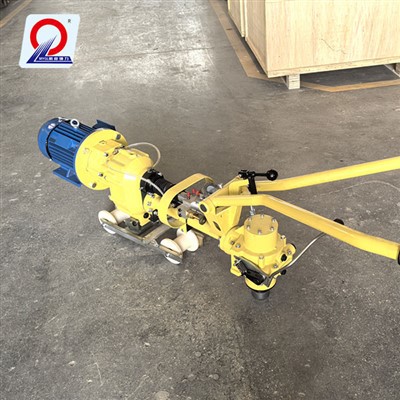
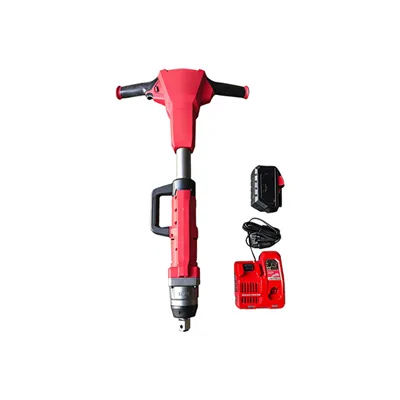
As a supplier of rail tamping machines, I've witnessed firsthand the significant impact these machines have on the ballast under the rails. In this blog post, I'll delve into the science behind how a rail tamping machine affects the ballast, exploring the processes, benefits, and long - term implications for railway infrastructure.
The Role of Ballast in Railway Tracks
Before we discuss the impact of rail tamping machines, it's essential to understand the role of ballast in railway tracks. Ballast is a layer of crushed stone or gravel that forms the foundation of the railway track. It serves several crucial functions. Firstly, it provides support for the sleepers (ties) and rails, distributing the load from the passing trains evenly. This helps prevent the rails from sinking into the ground under the heavy weight of trains. Secondly, ballast allows for proper drainage, preventing water from accumulating around the tracks, which could lead to soil erosion and instability. Additionally, it helps to dampen the vibrations and noise generated by moving trains, enhancing the comfort of passengers and reducing wear and tear on the track components.
How Rail Tamping Machines Work
A rail tamping machine is a specialized piece of equipment designed to compact the ballast under the sleepers. The basic working principle involves inserting tamping tools, usually in the form of tines or blades, into the ballast on either side of the sleepers. These tools are then vibrated and forced into the ballast, causing the individual ballast particles to rearrange and compact.
The tamping process typically starts with the machine positioning itself over the section of the track that needs to be tamped. The tamping units are lowered onto the ballast, and the tines penetrate the ballast to a specific depth. Once the tines are in place, they begin to vibrate at a high frequency while applying a downward force. This vibration and force combination cause the ballast particles to move and settle into a more compact arrangement.
Impact on Ballast Density
One of the most significant effects of a rail tamping machine on the ballast is the increase in ballast density. When a track is newly laid or has been subjected to heavy traffic, the ballast can become loose and lose its compactness. Loose ballast does not provide adequate support for the sleepers and rails, which can lead to track irregularities such as uneven track levels and gauge variations.
By using a rail tamping machine, the ballast is compacted, increasing its density. A higher density ballast can better withstand the loads imposed by trains. The compacted ballast particles interlock more effectively, creating a more stable foundation for the sleepers and rails. This increased stability helps to maintain the correct track geometry, reducing the risk of derailments and improving the overall safety of the railway system.
Improvement in Ballast Gradation
Ballast gradation refers to the particle size distribution of the ballast. Over time, the ballast can become degraded due to the repeated impact of train wheels and the movement of the tamping tools. Smaller particles may be generated, and the overall gradation of the ballast can change, which can affect its performance.


A rail tamping machine can help to improve the ballast gradation. During the tamping process, the vibration and movement of the tines can cause the ballast particles to sort themselves to some extent. Larger particles tend to settle at the bottom, while smaller particles fill the voids between them. This natural sorting process helps to create a more uniform and well - graded ballast layer, which is more efficient at distributing loads and providing drainage.
Enhanced Ballast Drainage
As mentioned earlier, proper drainage is crucial for the long - term stability of the railway track. Loose or poorly compacted ballast can impede the flow of water, leading to waterlogging around the tracks. A rail tamping machine can improve ballast drainage by compacting the ballast and creating a more permeable structure.
When the ballast is compacted, the voids between the particles are more evenly distributed, allowing water to flow through the ballast more easily. This helps to prevent water from accumulating around the sleepers and rails, reducing the risk of corrosion and soil softening. Improved drainage also helps to maintain the integrity of the ballast, as excessive water can cause the ballast particles to break down more quickly.
Reduction in Ballast Movement
Trains moving on the tracks generate significant dynamic forces that can cause the ballast to move. This movement can lead to track misalignment and the formation of voids under the sleepers. A rail tamping machine helps to reduce ballast movement by compacting the ballast and increasing its resistance to displacement.
The compacted ballast provides a more stable base for the sleepers, which are less likely to shift or move under the influence of train loads. This reduction in ballast movement helps to maintain the track geometry over time, reducing the need for frequent track maintenance and realignment.
Long - Term Benefits for Railway Infrastructure
The impact of a rail tamping machine on the ballast has several long - term benefits for the railway infrastructure. By improving the ballast density, gradation, drainage, and reducing ballast movement, the overall stability and durability of the track are enhanced. This leads to a reduction in maintenance costs, as the track requires less frequent repairs and realignment.
Moreover, a well - maintained track with properly tamped ballast provides a smoother ride for trains, which can improve the comfort of passengers and reduce wear and tear on the rolling stock. This can also lead to energy savings, as trains can operate more efficiently on a stable track.
Our Rail Tamping Machine Offerings
At our company, we are proud to be a Railway Tamping Machine Manufacturer. We offer a wide range of rail tamping machines, including Rail Tamper models that are designed to meet the diverse needs of railway operators. Our machines are equipped with advanced technology and high - quality components, ensuring reliable and efficient performance.
In addition to our tamping machines, we also provide Railway Maintenance Flat Car for transporting and supporting the tamping equipment. These flat cars are designed to be durable and easy to operate, making them an essential part of any railway maintenance fleet.
Contact Us for Purchase and Consultation
If you are interested in learning more about our rail tamping machines or have any questions regarding railway track maintenance, we invite you to contact us. Our team of experts is ready to assist you in selecting the right equipment for your specific needs and providing comprehensive support throughout the purchasing process. Whether you are a small - scale railway operator or a large - scale infrastructure project, we have the solutions to meet your requirements.
References
- Barkan, C. P. (2001). Railway track mechanics and technology. Trafford Publishing.
- Selig, E. T., & Waters, J. M. (1994). Track geotechnology and subgrade management. Thomas Telford.
- Grassie, S. L., & Kalousek, P. (1995). Railway wheel and rail interaction: a practical guide. E & FN Spon.